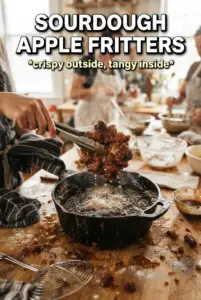
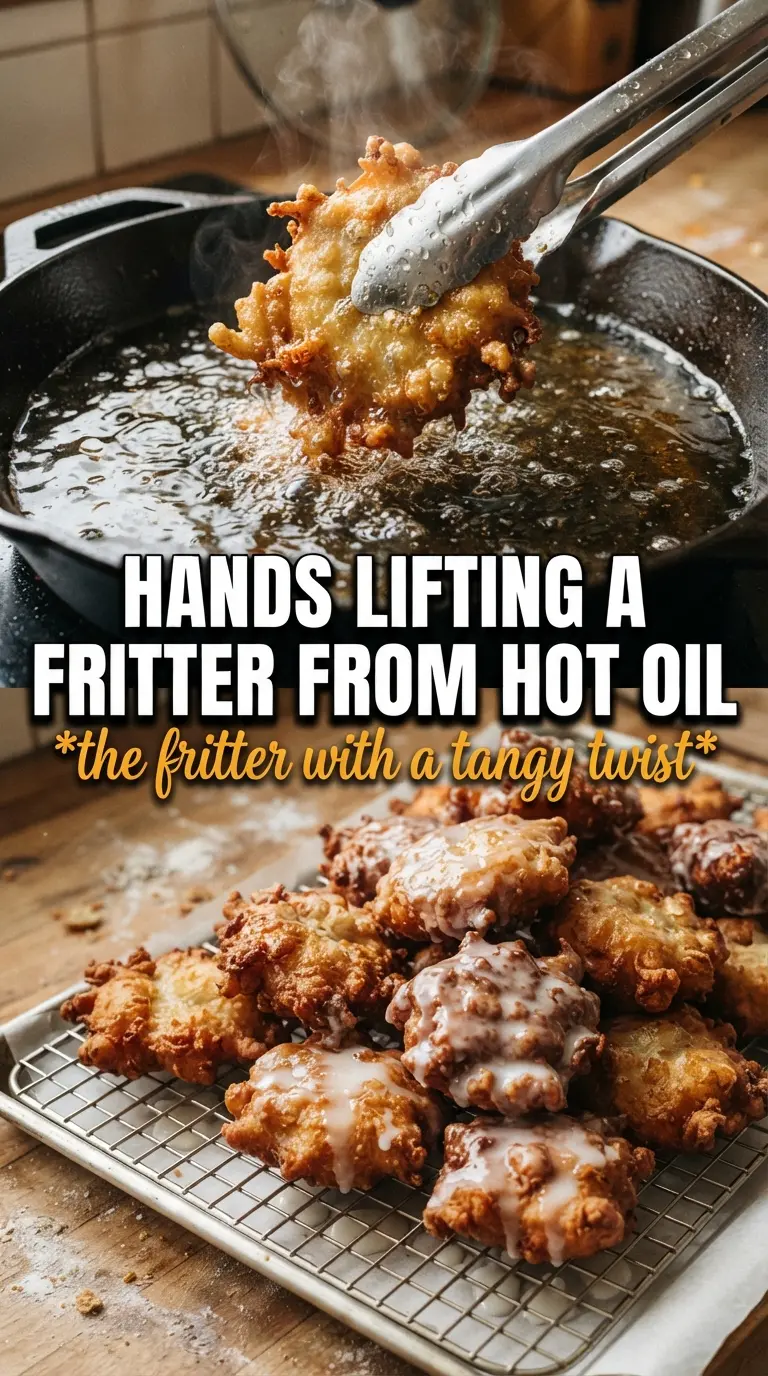
Golden sourdough apple fritters hit that sweet spot between crisp, tender, and just a little rustic. The outside fries up deep gold and shattery, while the inside stays soft with little pockets of cinnamon-spiced apple. A dusting of powdered sugar or a quick cider glaze finishes them in a way that makes them feel bakery-worthy without asking for much more than a bowl and a pot.
What sets these apart is the sourdough starter. It adds a subtle tang that keeps the fritters from tasting flat, and it gives the batter enough structure to hold those diced apples without turning gummy. The batter is intentionally thick, which helps the fritters keep their shape in the oil and creates those craggy edges everyone goes for first. Active starter works beautifully, but discard does too, as long as it still has a clean, mildly acidic smell.
Below, I’m walking through the detail that matters most here: how thick the batter should be, how hot the oil needs to stay, and why frying in batches is the difference between crisp fritters and greasy ones. If you’ve ever had apple fritters that came out pale or heavy, this version fixes both problems.
The batter was thick enough to hold the apples without spreading out, and the fritters came out crisp on the outside and soft inside. The cider glaze soaked in just enough to taste bakery-style without making them soggy.
Save these sourdough apple fritters for the morning you want crisp edges, tender apple pieces, and a fast cider glaze.
The Part That Keeps Fritters Crisp Instead of Greasy
Oil temperature is the whole game here. At 350°F, the outside sets quickly enough to keep the batter from drinking up oil, while the inside has time to cook through before the crust gets too dark. If the oil runs cool, the fritters turn heavy and greasy; if it runs too hot, the outsides brown before the apples soften and the middle catches up.
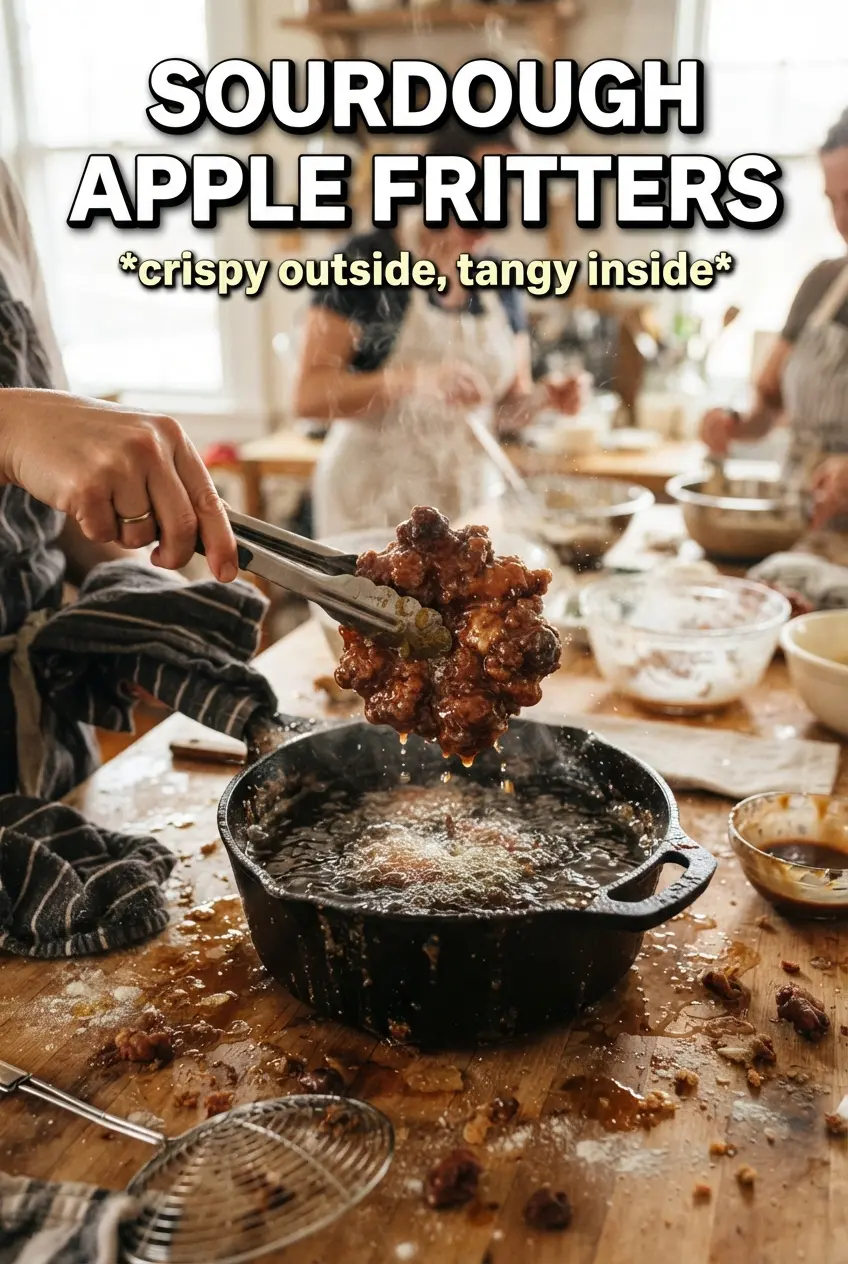
The other trap is crowding the pot. As soon as you add too much batter at once, the oil temperature drops and stays there longer than you want. Frying in small batches keeps the heat stable and gives the fritters room to puff and turn into those irregular, craggy shapes that make them look handmade in the best way.
- Active sourdough starter or discard — Either one works, but starter that’s too old and sharply sour can make the fritters taste harsh. Use discard that still smells clean and pleasantly tangy.
- Apples — Peel and dice them small so they soften in the short frying time. Big chunks can stay firm while the batter overcooks.
- Baking powder — This gives the fritters lift even though the batter is dense. Don’t skip it; sourdough alone won’t give the same lightness.
- Powdered sugar or cider glaze — Powdered sugar gives a dry, classic finish. The cider glaze adds a sharper apple note and clings to the rough edges.
What Each Ingredient Is Actually Doing in the Batter
- Sourdough starter — This adds tang, helps with structure, and brings a little fermented depth that plain batter can’t fake. Active starter gives a slightly lighter fritter, while discard keeps the flavor a touch more pronounced.
- Eggs — They bind the batter and help the fritters set in the oil. Without them, the batter tends to spread and break apart.
- Milk — It loosens the batter just enough to scoop, but not so much that it runs. Whole milk gives a little more richness, though any milk works here.
- Cinnamon and nutmeg — These warm the apples without overpowering them. Nutmeg is subtle, so don’t skip it if you want the fritters to taste complete.
- Apples — Tart apples bring better contrast against the sweet glaze, but any firm apple will work. Soft apples can turn mushy before the fritter is cooked through.
Getting the Batter Into the Oil Without Losing the Shape
Building the Thick Batter
Whisk the sourdough starter, eggs, milk, and sugar first, then add the dry ingredients and stop mixing as soon as the flour disappears. The batter should be thick enough to mound on a spoon, not pour like pancake batter. If it looks loose, the apples will sink and the fritters will spread too much in the oil.
Folding in the Apples
Stir the diced apples in gently so they stay coated and evenly distributed. The batter will look dense at this point, and that’s what you want. If the apples seem like they’re disappearing into the batter, they’re probably cut too small; if they’re falling out, the batter is too thin.
Frying in Batches
Drop heaping tablespoons of batter into the oil and leave space between each one. They should sizzle right away and float after a minute or two. Turn them once the first side is deeply golden; if they darken too quickly, lower the heat before the next batch goes in.
Finishing While They’re Hot
Drain the fritters on paper towels, then dust them with powdered sugar while they’re still warm enough for it to cling. For glaze, whisk the powdered sugar with cider until smooth and drizzle it over the fritters after they’ve drained for a minute. If you glaze them while they’re too hot, the topping slides right off instead of setting into the ridges.
How to Adapt These for Different Moods and Pantry Realities
Cider-Glazed Fritters
Whisk powdered sugar with cider instead of using plain milk or water. The glaze tastes brighter and carries the apple flavor farther, but it sets a little softer than a dry sugar dusting.
Gluten-Free Version
Swap in a 1:1 gluten-free flour blend that includes xanthan gum. The fritters will still crisp nicely, but the batter may be a touch softer, so handle them gently when turning.
Dairy-Free Batch
Use an unsweetened non-dairy milk with a neutral taste. The fritters still fry up well, though whole milk gives a slightly richer crumb and browns just a little better.
How to Store and Reheat Leftovers
- Refrigerator: Store in an airtight container for up to 3 days. The crust softens, but the flavor holds up well.
- Freezer: Freeze cooled fritters in a single layer, then transfer to a bag for up to 2 months. They won’t be as crisp as fresh, but they reheat better than you’d expect.
- Reheating: Warm in a 375°F oven or air fryer until hot and the edges crisp again. The mistake is microwaving them, which makes the crust soft and the apples wet.
Answers to the Questions Worth Asking
Sourdough Apple Fritters
Ingredients
Equipment
Method
- Whisk sourdough starter, eggs, whole milk, and sugar together until smooth.
- Stir in all-purpose flour, cinnamon, nutmeg, salt, and baking powder until just combined.
- Fold in the finely diced apples; the batter will be thick.
- Heat vegetable oil to 350F in a heavy pot, keeping the oil depth at about 2 inches.
- Drop heaping tablespoons of batter into the hot oil and fry 2-3 minutes per side until deeply golden.
- Work in batches and do not crowd the pot so fritters cook evenly.
- Drain the fritters on paper towels and dust with powdered sugar while hot.
- For a glaze, whisk 1 cup powdered sugar with 2 tablespoons cider until smooth.
- Drizzle the cider glaze over the hot fritters.