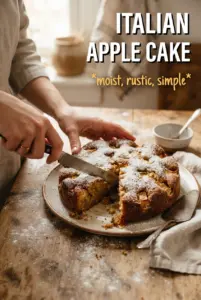
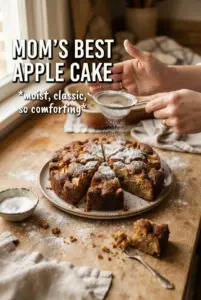
Moist apple cake with a tender crumb and a thick layer of brown butter cream cheese frosting is the kind of dessert that disappears fast because every bite hits the sweet spot between homey and special. The cake stays soft for days thanks to the oil and sour cream, and the apples bake down just enough to leave little juicy pockets instead of turning into mush. The walnuts add the right bit of crunch, but the real finish is that frosting — tangy, rich, and just a little nutty from the browned butter.
What makes this version work is balance. The batter is built to stay moist without tasting heavy, and the spices are measured so they support the apples instead of competing with them. Finely dicing the fruit matters more than people think. Smaller pieces distribute evenly through the cake, so you get apple in every forkful and the crumb bakes up neatly instead of collapsing around big wet chunks.
Below, I’ve included the details that matter most: how to keep the cake tender, why the frosting texture changes when the butter is browned first, and a few practical swaps if you need to work with what’s already in your pantry.
The cake stayed unbelievably moist even on day two, and the browned butter in the frosting gave it this caramel note that made the apples taste even better.
Save Mom’s Best Apple Cake for the kind of dessert that stays moist, slices cleanly, and finishes with caramel-like brown butter frosting.
The Part That Keeps Apple Cake Moist Instead of Heavy
Apple cake can go wrong in two places: the crumb turns dense because the batter was overmixed, or the middle sinks because the fruit released too much moisture in big pockets. This version avoids both by using oil for tenderness, sour cream for body, and finely diced apples so they bake into the cake instead of acting like wet filler. The batter should look thick and a little rough after the flour goes in. That’s the right stopping point.
The other key detail is the pan. A 9×13 pan gives you a more even bake and a softer crumb, while a bundt pan gives a taller slice and a little more edge. Either works, but the batter needs the full bake time to set in the center. If the top is browning before the middle is done, tent it loosely with foil for the last stretch.
What Each Ingredient Is Actually Doing in This Cake
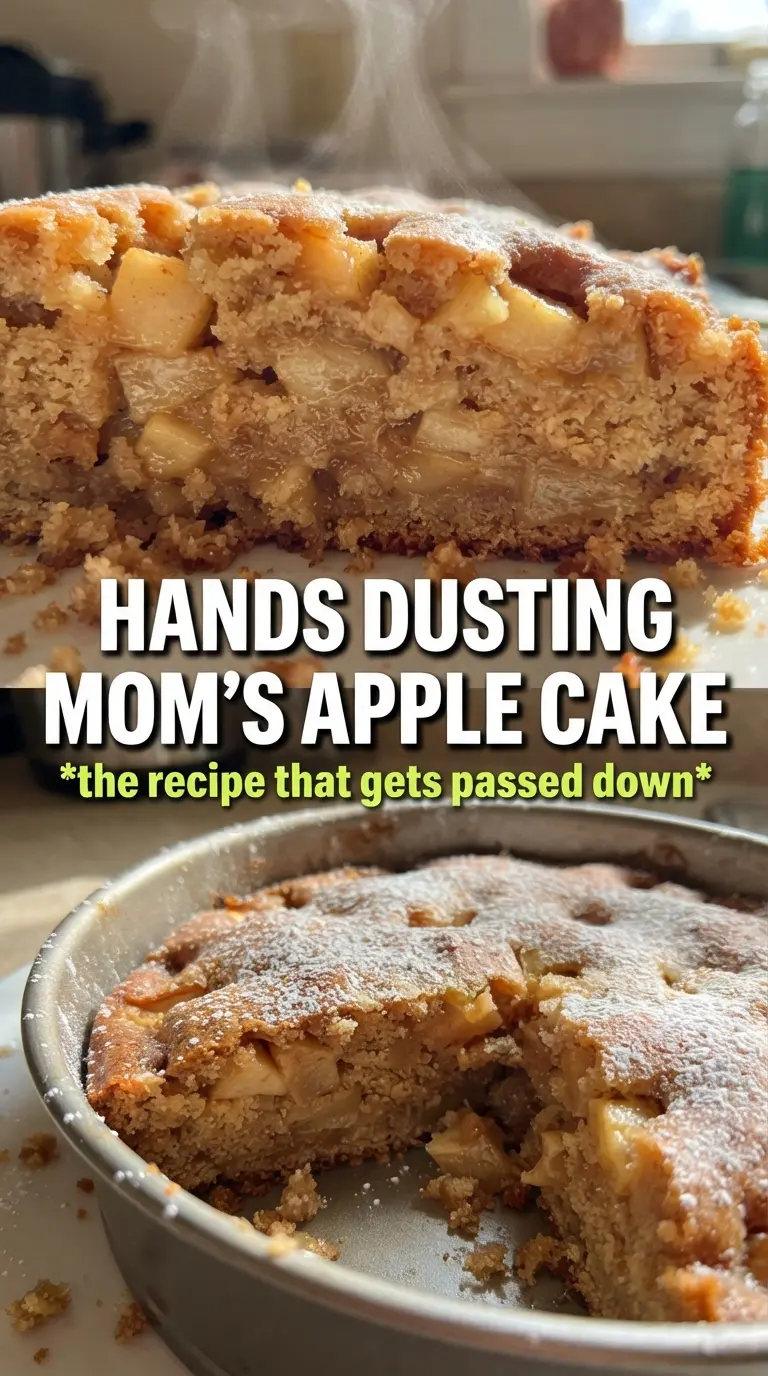
- Apples — Finely diced apples spread through the crumb and soften enough to keep the cake juicy without creating soggy pockets. Use a firm baking apple if you can; softer apples will work, but they collapse more and give a less distinct bite.
- Vegetable oil — This is what keeps the cake tender after it cools. Butter can make a cake taste richer, but oil gives you that soft, almost plush texture this style of apple cake needs.
- Sour cream — It adds moisture and a little tang, which keeps the cake from tasting flat. Plain full-fat Greek yogurt can stand in if that’s what you have, but the crumb will be a touch tighter.
- Brown sugar and granulated sugar — The mix gives you both sweetness and depth. Brown sugar brings a light molasses note that fits the apples, while granulated sugar helps the batter stay balanced and rise cleanly.
- Walnuts or pecans — Either one works, but pecans taste a little softer and sweeter while walnuts bring a more classic earthy bite. Toast them first if you want the strongest flavor.
- Browned butter in the frosting — This is the part that turns the frosting from standard cream cheese frosting into something with a caramel edge. Cool the browned butter before beating it in or the frosting will loosen and slide off the cake.
How to Mix, Bake, and Frost It Without Losing the Texture
Whisk the Dry Ingredients First
Start by whisking the flour, baking soda, cinnamon, nutmeg, allspice, and salt together until the spices are evenly distributed. That keeps you from biting into one pocket that tastes too sharp and another that tastes flat. If your baking soda isn’t fresh, the cake won’t lift well, so check that first if the crumb feels heavy.
Build the Batter in the Right Order
Beat the sugars, oil, eggs, vanilla, and sour cream until everything looks smooth and slightly glossy. The mixture won’t get fluffy like butter and sugar, and that’s fine. Add the dry ingredients and fold just until the flour disappears, then stop. Overmixing here is the fastest way to end up with a tough cake.
Fold in the Apples and Nuts Gently
Add the diced apples and nuts at the very end so they stay evenly distributed instead of sinking to the bottom. The batter will look thick, almost like a heavy quick bread batter, and that’s what you want. Scrape the pan evenly so the cake bakes level and the center doesn’t dome too much.
Bake Until the Center Sets Cleanly
Bake at 325°F until a toothpick comes out clean from the center, usually around 60 to 70 minutes. The top should be deep golden and the edges should pull slightly from the pan. If the top browns too fast, cover it loosely with foil; if you pull it too early, the center will sink once it cools.
Finish the Frosting After the Cake Cools
Brown the butter first, then let it cool before beating it with the cream cheese. If the butter is warm, the frosting turns loose and grainy instead of smooth. Add the powdered sugar, milk, and vanilla until it’s thick enough to spread generously but still soft enough to swirl.
How to Adapt This Cake for Different Pans, Diets, and Leftovers
Make It Gluten-Free
Use a good 1:1 gluten-free baking flour blend in place of the all-purpose flour. The texture will be a little more delicate and slightly less springy, but the oil and sour cream help keep it from turning crumbly. Don’t swap in almond flour alone; this cake needs structure from a true flour blend.
Skip the Nuts Without Losing Texture
Leave the walnuts or pecans out completely if you want a smoother slice or need a nut-free dessert. The cake still bakes up moist and sturdy, though you lose a little crunch and contrast. If you want another bit of texture, add a handful of finely diced apple instead of more flour.
Use a Bundt Pan for a Taller Presentation
A bundt pan makes this cake look a little more special and gives you more browned edges. Grease it thoroughly, especially in the grooves, or the cake will cling when you turn it out. Expect the bake time to lean toward the longer end, and let it cool fully before unmolding so it doesn’t tear.
Storage and Reheating
- Refrigerator: Store covered for up to 5 days. The frosting firms up in the fridge, but the cake stays moist.
- Freezer: Freeze unfrosted slices wrapped tightly for up to 2 months. Thaw in the refrigerator overnight, then frost after it comes back to room temperature.
- Reheating: Warm a slice briefly at room temperature or give it 10 to 15 seconds in the microwave. Heat too long and the frosting will melt into the crumb instead of staying creamy on top.
Questions I Get Asked About This Recipe
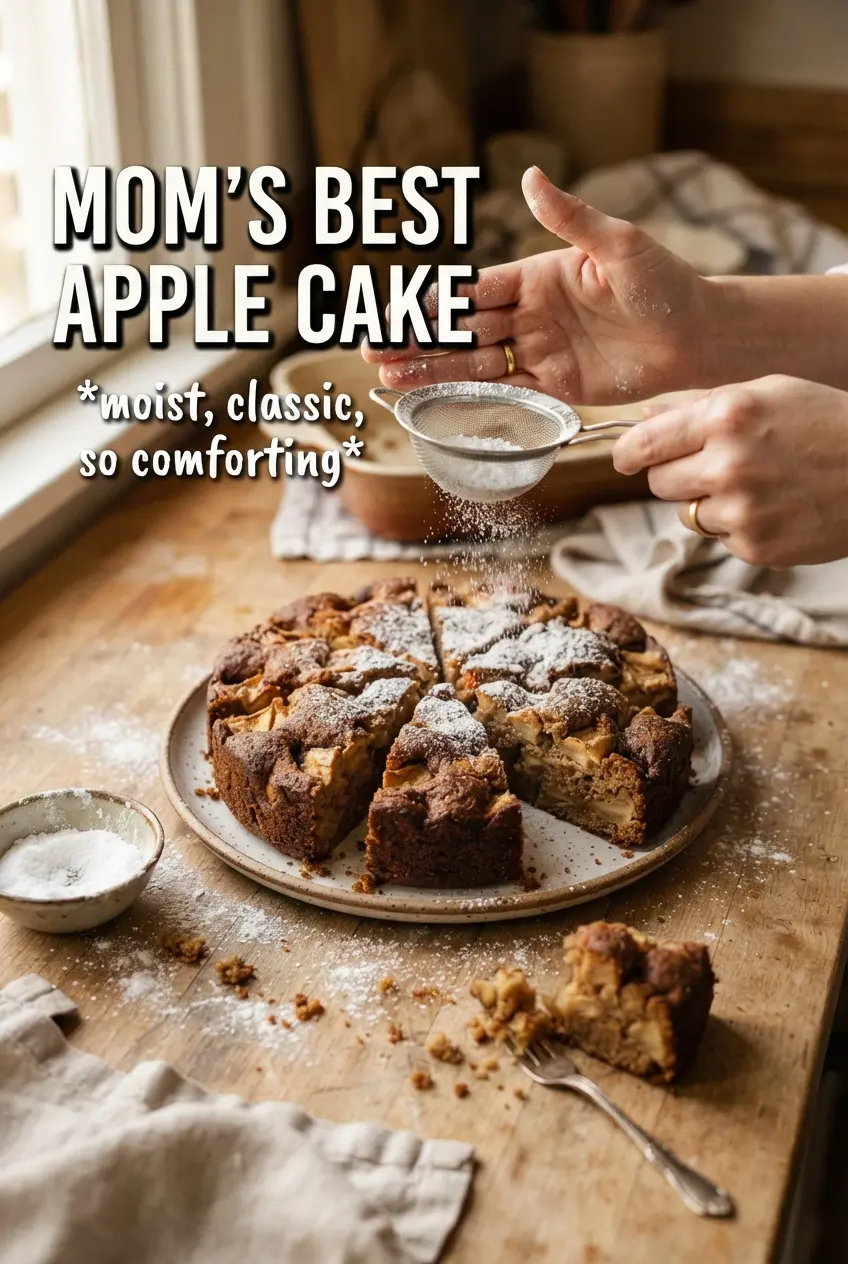
Mom's Best Apple Cake
Ingredients
Equipment
Method
- Preheat oven to 325°F, then grease a 9x13 pan or bundt pan so the cake releases easily. Use a thick coating so edges don’t stick.
- Whisk all-purpose flour, baking soda, cinnamon, nutmeg, allspice, and salt until the spices are evenly distributed. Stop when the mixture looks uniform in color.
- Beat granulated sugar and brown sugar with vegetable oil, eggs, vanilla extract, and sour cream until well combined. Scrape the bowl as needed for an even batter.
- Fold the flour mixture into the wet ingredients until just combined. Fold gently so you don’t overmix and toughen the crumb.
- Fold in diced apples and chopped walnuts or pecans until evenly spread through the batter. You should see fruit and nuts throughout, not just on top.
- Bake at 325°F for 60-70 minutes, until a toothpick comes out clean. The top should look set and lightly browned, with no wet batter clinging.
- Cool the cake completely before frosting. Let it cool fully so the frosting doesn’t melt or slide off.
- Beat browned butter and cream cheese until smooth. Continue until the mixture looks glossy and free of lumps.
- Add powdered sugar, milk, and vanilla, then beat until the frosting is thick and spreadable. Pause to scrape the bowl so everything is fully incorporated.
- Frost the cooled cake generously, spreading in an even layer across the surface. Swirl the top lightly if you want more texture.