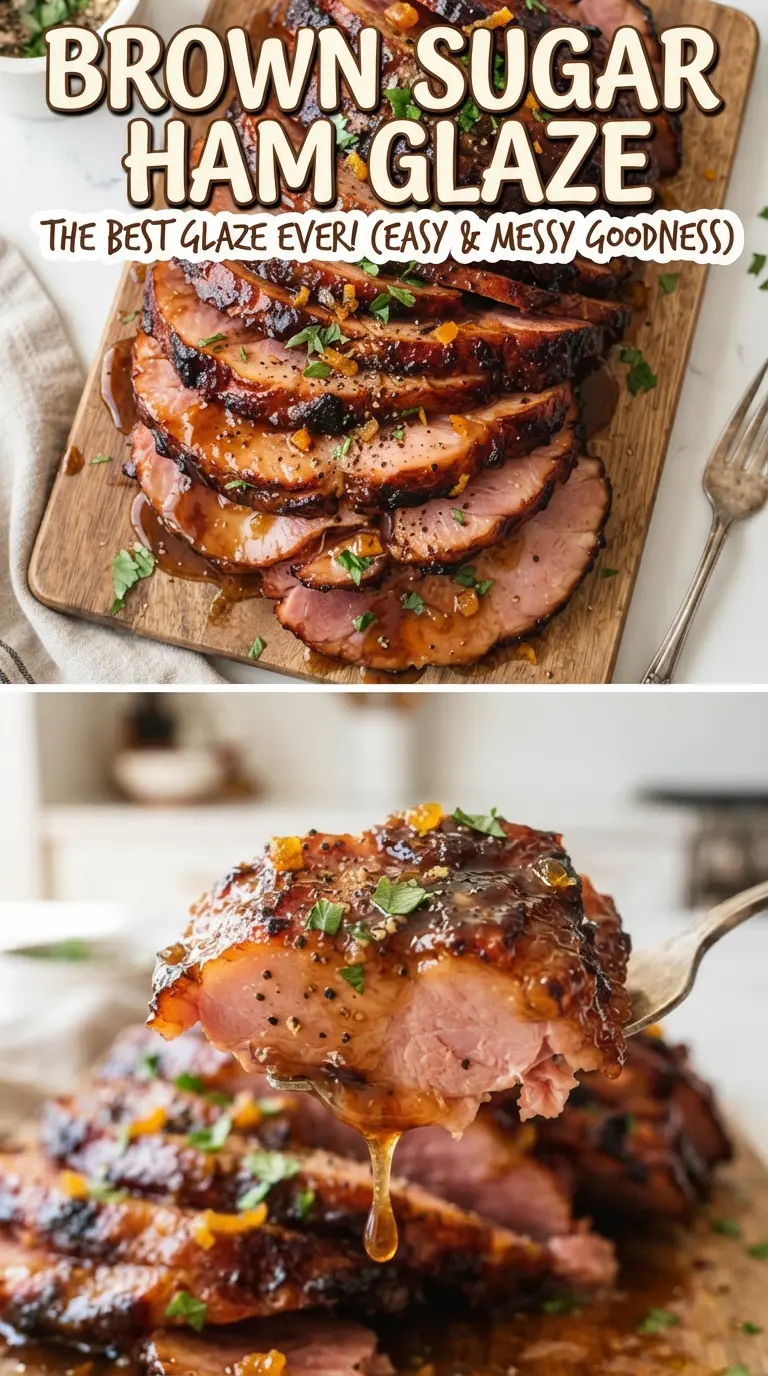
Sticky, glossy brown sugar ham glaze is what turns a good holiday ham into the kind people hover around with a second slice already in mind. It clings to the ridges of the scored ham, settles into the cuts, and bakes into a burnished crust with just enough shine to look as special as it tastes. The balance here matters: sweet, tangy, a little spiced, and not cloying.
This version works because the glaze is built from ingredients that melt together instead of fighting each other. Brown sugar and honey give it body and shine, pineapple or orange juice keeps it bright, and Dijon plus cider vinegar keep the sweetness from flattening out. A short simmer is enough to dissolve the sugar and concentrate the glaze without pushing it into hard-candy territory.
Below, I’ll show you how to get the texture right, what each ingredient is doing, and how to handle the glaze so it brushes on smoothly during those last 30 minutes in the oven. There’s also a practical note on keeping it warm for serving, which matters more than most people think.
The glaze thickened up in just a few minutes and brushed on like a dream. I loved that it stayed glossy instead of running right off the ham, and the orange juice gave it a fresh finish.
Love a glossy brown sugar ham glaze with Dijon and warm spice? Save this one for the ham that needs a sticky, shiny finish.
The Simmer That Keeps This Glaze Silky Instead of Grainy
The trap with ham glaze is rushing the sugar. If the heat is too high, the sugars tighten before the liquid has a chance to dissolve, and you end up with a gritty glaze that looks shiny in the pan but doesn’t brush on cleanly. A gentle simmer gives the brown sugar time to melt fully while the butter emulsifies the mixture into something smooth and lacquer-like.
Once the glaze thickens, it should coat a spoon lightly and leave a clean trail when you drag a spatula through it. That’s your cue to stop cooking. Over-reducing it turns the glaze sticky in the pan and too thick to spread evenly on the ham, especially once it starts hitting the hot surface and tightening up.
What Each Ingredient Is Actually Doing in the Glaze
- Packed brown sugar — This gives the glaze its deep caramel note and the body that helps it cling to the ham. Light or dark brown sugar both work, but dark brown sugar brings a little more molasses depth.
- Honey — Honey adds shine and keeps the glaze from tasting flat. If you skip it, the glaze will still work, but it won’t have the same smooth finish.
- Pineapple or orange juice — The juice thins the glaze just enough to simmer and brush. Pineapple leans brighter and slightly tangier; orange tastes softer and more rounded.
- Dijon mustard — Dijon sharpens the sweetness and keeps the glaze balanced. Yellow mustard won’t give the same clean, savory edge.
- Butter — Butter gives the glaze richness and helps everything emulsify. Use real butter here; that’s one place the cheap shortcut changes the texture.
- Apple cider vinegar — A little vinegar wakes up the whole glaze and keeps it from tasting one-note. It’s not enough to make it sour, just enough to keep the sweetness in check.
- Cinnamon and cloves — These are warm background notes, not the main event. Cloves are strong, so keep the measure light or they’ll take over.
Brushing the Ham So the Glaze Bakes On, Not Off
Building the glaze on the stovetop
Combine everything in a saucepan and stir over medium heat until the sugar disappears. You want a small, steady simmer, not a hard boil. The moment the mixture looks smooth and glossy, start watching the texture closely; that last minute matters more than the first three. If the glaze starts to look foamy or overly thick, pull it off the heat before it turns sticky and hard to spread.
Applying it during the last 30 minutes
Brush the glaze over a fully cooked ham during the last 30 minutes of baking, then repeat every 10 minutes. That timing lets the glaze set into layers without burning the sugar. If you start too early, the edges can scorch before the center gets that lacquered finish. The best sign you’re doing it right is a deep amber shine that stays on the ham instead of running straight to the bottom of the pan.
Serving the extra glaze warm
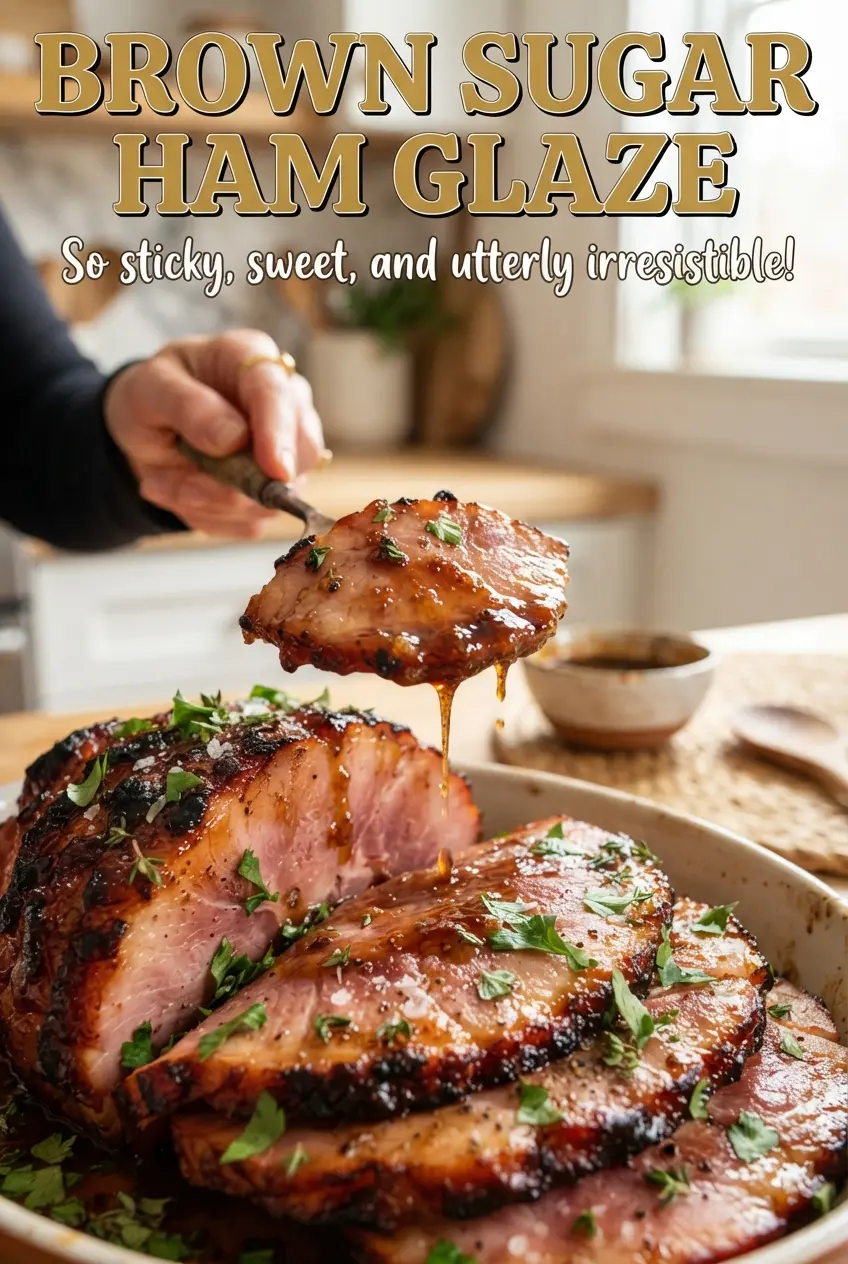
Spoon the remaining glaze over sliced ham at the table while it’s still warm. It thickens as it cools, so don’t wait until it turns pasty in the pan. If it tightens up too much, set the saucepan over very low heat or add a teaspoon of juice to loosen it. That last pour is where the glaze really earns its keep.
How to Adjust the Glaze for Different Hams and Dinner Tables
Use orange juice for a softer citrus finish
Orange juice gives the glaze a rounder, sweeter profile than pineapple. It’s the better choice if you want the ham to taste a little more classic and a little less sharp. The glaze still browns beautifully, but the citrus reads gentler at the table.
Make it dairy-free with olive oil instead of butter
Use a mild olive oil in place of the butter if you need the glaze dairy-free. You’ll lose a little richness, but the glaze will still cling and shine. Keep the simmer gentle, since oil doesn’t emulsify quite the same way butter does.
Skip the cloves for a milder glaze
If you’re serving people who don’t love strong spice, leave out the cloves and keep the cinnamon. The glaze will still taste warm and festive, just less aromatic. This is the easiest way to keep the flavor broad enough for a crowd.
Storage and Reheating
- Refrigerator: Store leftover glaze in an airtight container for up to 1 week. It will firm up as it chills, which is normal.
- Freezer: It freezes well for up to 2 months. Thaw in the refrigerator overnight before reheating.
- Reheating: Warm it gently on the stovetop over low heat with a splash of juice if needed. Don’t boil it again or it can turn too thick and sticky to brush smoothly.
Answers to the Questions Worth Asking
Brown Sugar Ham Glaze
Ingredients
Equipment
Method
- Combine brown sugar, honey, juice, Dijon mustard, butter, apple cider vinegar, cinnamon, and cloves in a saucepan. Stir well so the sugar and spices are evenly dispersed.
- Bring the mixture to a simmer over medium heat, stirring continuously until the sugar dissolves. Reduce as needed to keep a gentle bubble.
- Simmer for 3-4 minutes until slightly thickened and glossy, watching for a smooth, amber sheen. Turn off the heat when it coats the back of a spoon.
- Brush the warm glaze over a fully cooked ham during the last 30 minutes of baking, using a fresh even coat. Make sure glaze settles into the scored diamond pattern.
- Brush again every 10 minutes during the remaining bake time so the glaze stays glossy and clings to the surface. Look for caramelized drips building along the lines.
- Spoon the remaining warm glaze over sliced ham at the table. Serve while glossy so the glaze drizzles onto the cut surface.