Glossy cranberry sauce with a bright, tart bite and just enough sweetness to round it out earns its place next to roast turkey, glazed ham, or even a sharp cheese board. The berries keep their shape until the heat finally cracks them open, which gives you that mix of whole fruit and jammy sauce instead of a smooth, canned-style spread.
This version leans on monk fruit or allulose instead of sugar, and that matters because cranberries need enough sweetness to taste balanced without turning heavy. Orange zest goes in at the end so it stays fresh and aromatic, not muted by a long simmer. A little cinnamon adds warmth without pushing the sauce toward pie filling territory.
Below, I’ll show you how to keep the sauce from turning thin or overly sharp, plus the small timing detail that keeps the zest bright. If you’ve only ever opened a can, this is the kind of homemade side that changes your mind fast.
The sauce thickened up beautifully and the orange zest at the end made it taste fresh, not flat. I made it the day before Thanksgiving and it set up perfectly after chilling.
Save this sugar free cranberry sauce for the tart, glossy side that sets up beautifully after chilling.
Why This Cranberry Sauce Thickens Without Refined Sugar
Cranberry sauce can go wrong in one of two ways: it stays too thin, or it turns sticky-sweet and dull. This version avoids both by letting the berries do the thickening work. As they burst, their natural pectin helps the sauce tighten up as it simmers and then firms even more as it cools.
The other mistake is overcooking the zest. Orange zest belongs at the end because heat flattens its brightness fast. Add it after the pan comes off the burner and you keep that fresh citrus note on top of the berries instead of burying it under spice.
Allulose or monk fruit sweetener matters here because it keeps the sauce clean-tasting without needing the volume of sugar. You still get balance, but the cranberries stay front and center.
What the Sweetener, Citrus, and Spice Are Each Doing
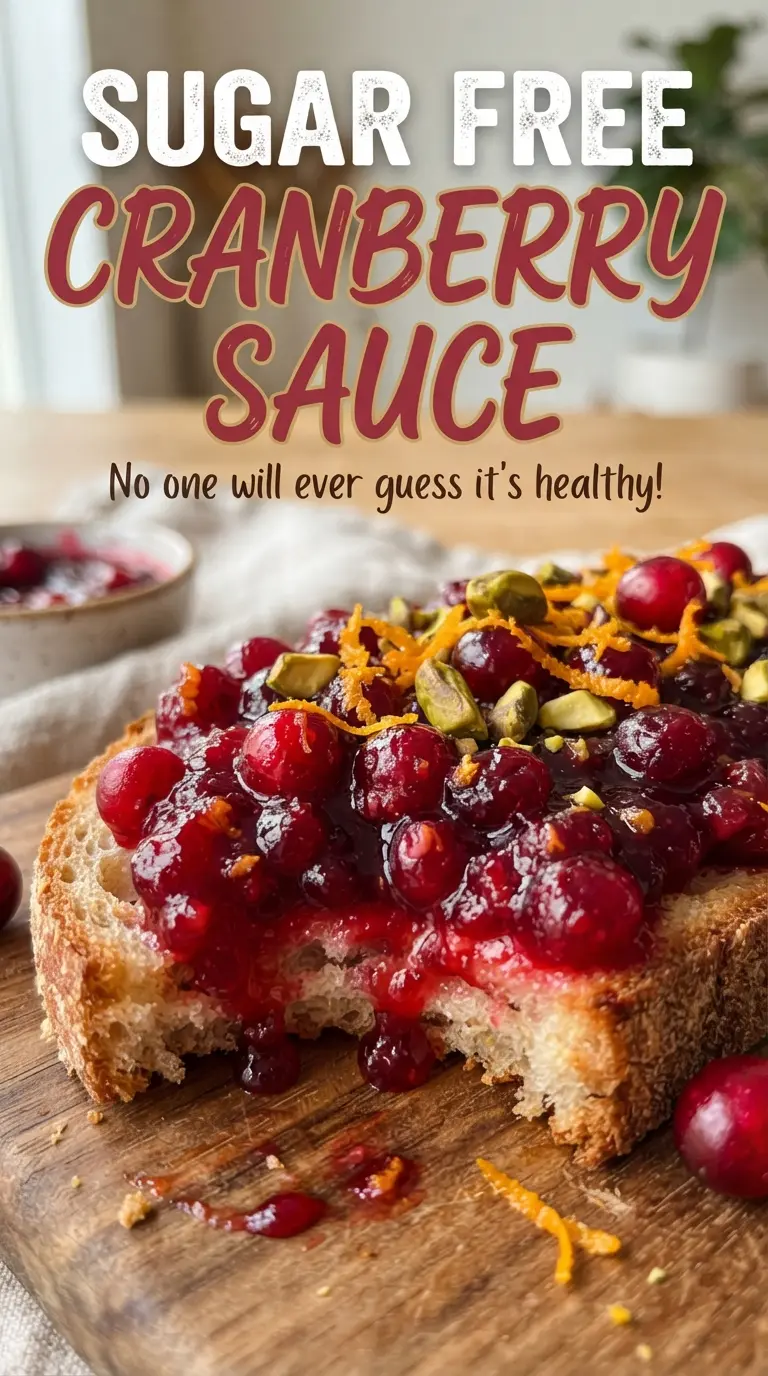
- Fresh cranberries — These are the backbone of the recipe. Frozen cranberries also work, and you can add them straight from the freezer; just expect a minute or two longer for the sauce to thicken.
- Monk fruit or allulose sweetener — This replaces the sugar without the grainy texture or syrupy finish some substitutes leave behind. Allulose gives the closest cooked-sugar feel, while monk fruit blends can taste a little sharper, so start with the listed amount and adjust after cooling.
- Orange zest — This is the lift that keeps the sauce from tasting one-note. Zest the orange before you juice anything, and stir it in off the heat so the oils stay bright.
- Ground cinnamon — Just enough to add warmth. More than half a teaspoon starts pushing the sauce into dessert territory, which crowds out the cranberry flavor.
- Pinch of salt — It doesn’t make the sauce salty. It sharpens the fruit and keeps the sweetness from feeling flat.
The Simmer That Turns Thin Liquid Into Spoonable Sauce
Dissolving the Sweetener First
Bring the water and sweetener to a full boil and stir until the granules disappear. If you skip this and dump everything in at once, the sweetener can settle and the sauce tastes uneven. Once it’s dissolved, the liquid should look clear and slightly glossy, not cloudy or sandy.
Waiting for the Cranberries to Pop
Add the cranberries, cinnamon, and salt, then drop the heat to a steady simmer. The berries will hiss, then split open with little pops. That’s the moment the sauce starts building body. Stir often enough to prevent scorching, but don’t mash the berries unless you want a smoother sauce.
Finishing for Freshness
Pull the pan off the heat when the sauce looks loose but visibly thicker than when it started. It will tighten as it cools, so stopping too late leaves you with jam instead of sauce. Stir in the orange zest at the end, taste, and add a touch more sweetener only if the cranberries still taste too sharp.
How to Adjust It for a Smaller Table or a Different Diet
Make it with frozen cranberries
Frozen cranberries work just as well as fresh. Don’t thaw them first; add them straight to the pan so they keep their shape a little longer before bursting. The cook time may stretch by a couple of minutes, but the texture stays the same.
Use allulose for the smoothest finish
Allulose behaves most like sugar once it cools, so the sauce sets with a softer, more classic mouthfeel. Monk fruit blends can be slightly more intense, so if that’s what you’re using, start with the listed amount and adjust after the sauce has chilled.
Make it warmer with extra spice
If you want a more aromatic sauce, add a small pinch of ground ginger or a strip of orange peel while it simmers, then remove the peel before chilling. That gives the sauce more depth without making it taste like cranberry dessert topping.
Storage and Reheating
- Refrigerator: Store in a covered container for up to 10 days. The sauce will firm up as it chills.
- Freezer: It freezes well for up to 2 months. Thaw overnight in the refrigerator and stir before serving.
- Reheating: Warm it gently on low heat if you want it looser for serving. Don’t boil it hard after chilling or it can turn overly thick and lose some of that fresh berry texture.
Answers to the Questions Worth Asking
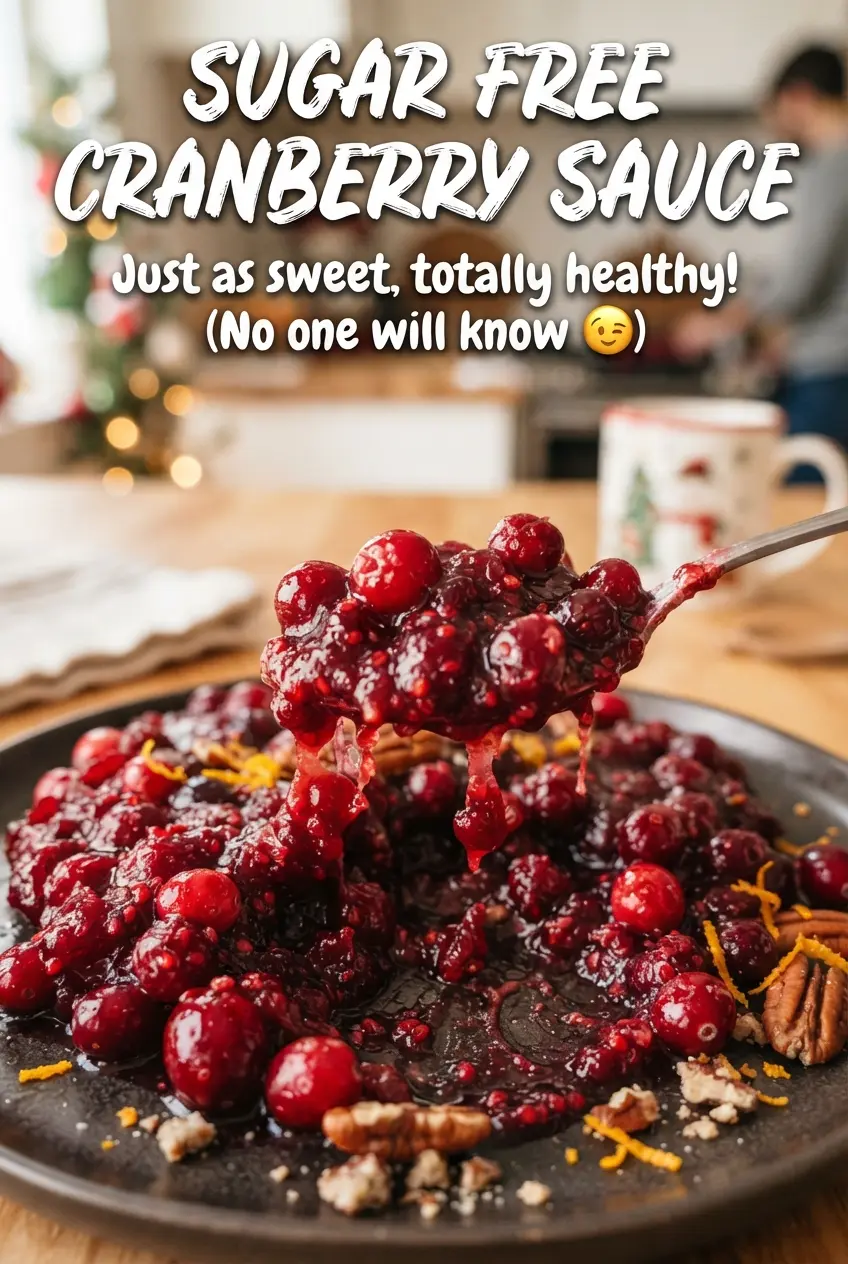
Sugar Free Cranberry Sauce
Ingredients
Equipment
Method
- Bring the water and granular monk fruit or allulose sweetener to a boil in a saucepan over medium-high heat, stirring until the sweetener dissolves, about 1-2 minutes. The mixture should look clear and lightly syrupy before the berries go in.
- Add the fresh cranberries, ground cinnamon, and salt to the saucepan and return to a gentle boil, then keep it at a steady simmer. You should see berries starting to pop and the liquid turning ruby-red.
- Simmer for 10-12 minutes, stirring occasionally, until the berries burst and the sauce thickens enough to lightly coat a spoon. The sauce should look glossy with some whole berries visible.
- Remove the saucepan from the heat and stir in the orange zest. Taste and add more sweetener if needed for your preference.
- Cool the cranberry sauce to room temperature, then chill before serving. Serve cold for a thicker, spoonable texture.