Golden, cheesy chicken with a smoky grilled base and a bubbling Parmesan crust has a way of disappearing fast. This Longhorn Steakhouse Parmesan Chicken gets the contrast just right: juicy ranch-marinated chicken underneath, then a layer of honey mustard, provolone, and buttery breadcrumbs that turns deeply golden under the broiler. The result tastes like a restaurant plate, but it lands on the table without much fuss.
The ranch and Worcestershire do more than season the chicken. They add salt, tang, and a little savory depth so the chicken tastes seasoned all the way through, not just on the surface. Grilling first gives you those charred marks and keeps the chicken from going flat under the cheese, while the broiler finishes the topping fast enough that the crust browns before the meat dries out.
Below, I’ve included the part that matters most: how to keep the topping from sliding off, when the broiler should take over, and the swaps that still give you that steakhouse feel if you need to work with what’s in the fridge.
The chicken stayed juicy after grilling, and the broiler made the topping bubbly and crisp without drying anything out. My husband kept talking about the honey mustard and provolone combo all night.
Love the cheesy grilled finish on this Longhorn Steakhouse Parmesan Chicken? Save it to Pinterest for the nights when you want a golden, bubbling chicken dinner with restaurant-style payoff.
The Grilled Chicken Has to Be Cooked Before the Cheese Goes On
The mistake with a dish like this is trying to brown the topping and finish the chicken at the same time. That sounds efficient, but it usually leaves you with overcooked chicken or pale cheese. Grill the breasts first until they’re just cooked through and have good color, then move them to the oven-safe pan for the broiler finish. That short broiler blast is what melts the provolone, toasts the Parmesan crumbs, and keeps the chicken underneath juicy.
Thickness matters here. If your chicken breasts are wildly uneven, the thin ends will dry out before the center is done. Pound the thicker side lightly or split very large breasts in half so they cook at the same pace. The topping also needs a dry surface to cling to, so don’t drown the chicken in marinade before grilling; let the excess drip off before it hits the heat.
What Each Layer Is Doing in This Steakhouse Chicken
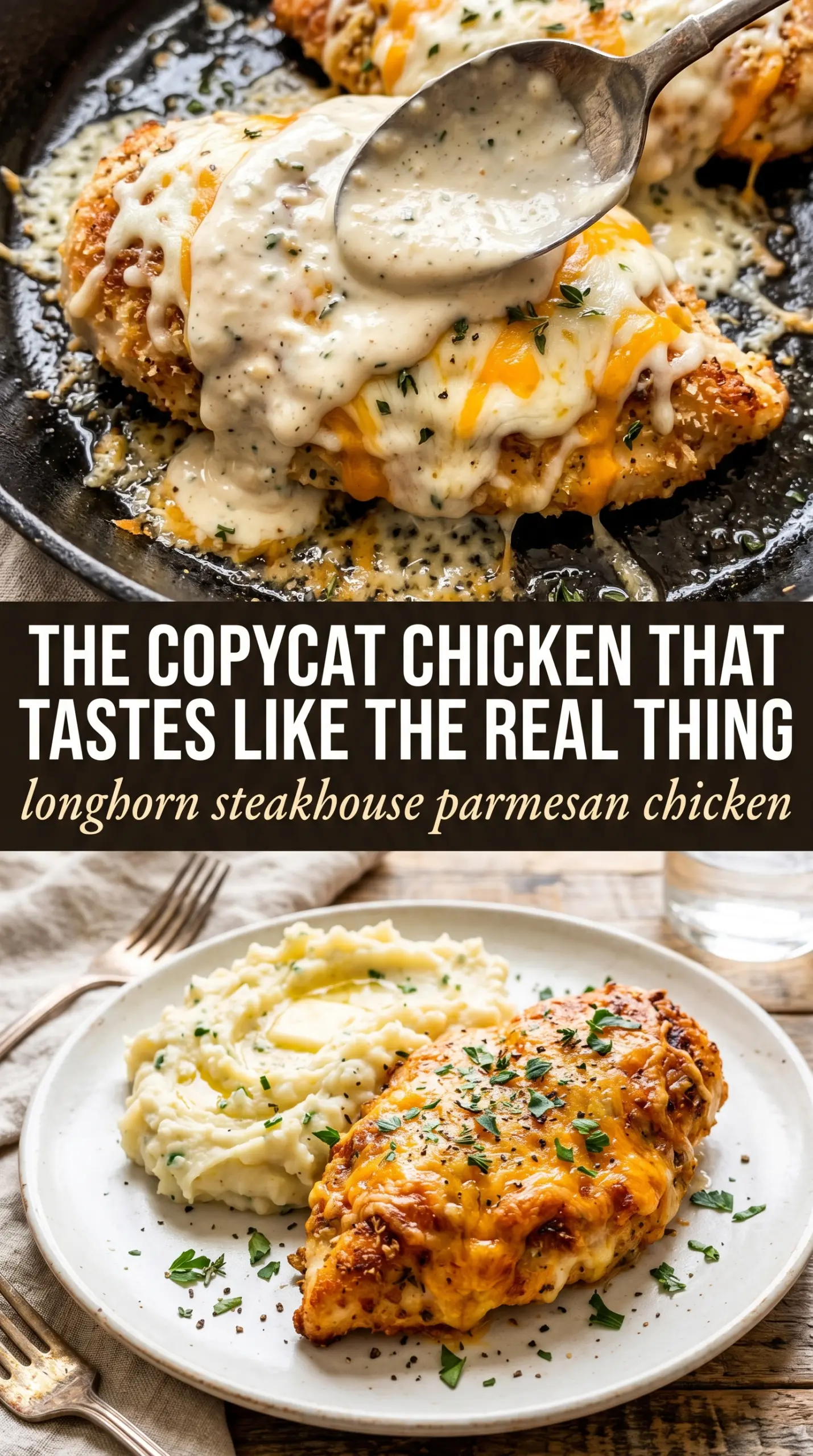
- Ranch dressing — This is the backbone of the marinade. It seasons the chicken, adds a little fat so the surface stays moist, and gives you that familiar steakhouse tang. A plain oil-and-vinegar marinade won’t give the same creamy seasoning.
- Worcestershire sauce — A small amount goes a long way here. It adds savory depth that makes the chicken taste more like it’s been cooked in a restaurant kitchen. Don’t skip it unless you have to; soy sauce can substitute in a pinch, but the flavor will lean saltier and less rounded.
- Honey mustard — This is the glue that helps the topping stay put, and it adds sweetness to balance the salty cheese. Use a smooth one so it spreads evenly. Grainy mustard works, but the topping won’t look as clean or cohesive.
- Provolone — This melts into a soft, stretchy layer under the breadcrumb topping. Mozzarella can work, but it’s milder and won’t bring the same steakhouse feel. If your slices are very thick, tear them in half so they melt before the crumbs burn.
- Parmesan and breadcrumbs — These create the browned cap. Freshly grated Parmesan gives a sharper flavor and better melt than the shelf-stable stuff, while fine breadcrumbs toast faster and more evenly. If you only have panko, crush it slightly so the topping doesn’t get too jagged under the broiler.
- Butter — It helps the crumbs brown instead of staying dusty and dry. Melt it fully and mix it through the breadcrumbs so every bit can toast. Olive oil will work, but the finish won’t taste as rich.
Building the Grill Marks and Broiler Finish Without Drying Out the Chicken
Marinating for Flavor, Not for Hours
Mix the ranch dressing and Worcestershire sauce, coat the chicken, and let it sit long enough for the seasoning to sink in. Thirty minutes does the job here. Much longer than a few hours and the surface can start to take on a softer, almost cured texture from the salt, which works against the grilled finish.
Grilling to Just-There
Cook the chicken over medium-high heat for about 5 to 6 minutes per side, but use the time as a guide, not a rule. You’re looking for clear grill marks and juices that run mostly clear when you press the thickest part. If the chicken is still underdone, it’ll finish under the broiler, but don’t rely on that to cook raw chicken all the way through; the broiler is for the topping, not the interior.
Layering the Topping So It Stays Put
Brush on the honey mustard while the chicken is still warm, then lay the provolone directly over the top. The warmth helps it settle into place before you add the Parmesan-breadcrumb mixture. If the chicken is dripping wet from the grill pan, blot it lightly first or the topping will slide instead of melting into a neat layer.
Broiling for the Golden Finish
Put the pan under a hot broiler and watch it closely. This part can go from perfect to scorched in under a minute, especially if your broiler runs hot. Pull it the moment the cheese is melted, the crumbs are golden, and the edges are bubbling. Finish with parsley for a fresh color lift and a clean, bright contrast against the rich topping.
Three Ways to Make This Chicken Work for Your Kitchen
Oven-Only Version
If you don’t want to grill, sear the chicken in a hot skillet for color, then finish it in a 400°F oven until cooked through before adding the topping. You’ll lose a little of that charred edge, but the cheese layer and broiled finish still give you the same steakhouse feel.
Gluten-Free Topping
Use certified gluten-free breadcrumbs or crush gluten-free crackers for the topping. The crunch will still work, but some gluten-free crumbs brown faster, so keep a closer eye on the broiler and pull the chicken as soon as the top turns golden.
Lighter Dairy Swap
You can use a lighter ranch and a reduced-fat provolone, but don’t go too lean or the topping loses that rich, cohesive melt. The result is still good, just a little less lush. The Parmesan should stay real if you can manage it, since it’s what gives the crust its sharp finish.
Storage and Reheating
- Refrigerator: Store leftovers in an airtight container for up to 3 days. The topping softens a bit, but the chicken stays usable for lunch or a second dinner.
- Freezer: It freezes, but the cheese topping won’t be as pretty after thawing. Freeze the cooked chicken without the final broil if you want the best texture, then add the cheese layer fresh after reheating.
- Reheating: Reheat in a 350°F oven until hot through. The microwave will make the topping rubbery and the chicken uneven, so use the oven or an air fryer to bring back the crust.
Questions I Get Asked About This Recipe

Longhorn Steakhouse Parmesan Chicken
Ingredients
Equipment
Method
- In a bowl, combine ranch dressing and Worcestershire sauce, then season with salt, pepper, and garlic powder. Add chicken breasts and marinate for 30 minutes.
- Preheat the grill to medium-high heat. Grill chicken for 5-6 minutes per side until cooked through and grill marks appear, then transfer to an oven-safe pan.
- In a bowl, mix Parmesan cheese, breadcrumbs, and melted butter until evenly coated. Set aside.
- Brush each chicken breast with honey mustard, then lay one slice of provolone over the top. Press lightly so the cheese sits flat.
- Evenly top each breast with the Parmesan breadcrumb mixture. Arrange so crumbs spread to the edges.
- Broil for 3-5 minutes until the topping is golden, cheese is melted, and bubbly. Garnish with fresh parsley right before serving.