Chicken piccata earns its place in the dinner rotation because the whole dish moves fast, but it still tastes like you paid attention. Thin cutlets turn crisp and golden in the pan, then get coated in a lemon-butter-caper sauce that’s bright, silky, and just salty enough to keep you going back for another bite. The sauce clings to the chicken instead of running off the plate, which is the difference between a decent piccata and one you’d actually make again.
The trick is keeping the chicken thin so it cooks through before the flour coating burns, then building the sauce in the same skillet so every browned bit gets used. White wine adds depth that lemon juice alone can’t give, and the cold butter at the end smooths out the sharp edges without making the sauce heavy. Capers bring the briny pop that defines the dish, but they work best when the sauce has enough body to hold them in place.
Below, I’ll walk through the exact point where the sauce can break, the ingredient swaps that still give you a balanced pan sauce, and the best way to keep the chicken crisp if you’re serving it with pasta or mashed potatoes.
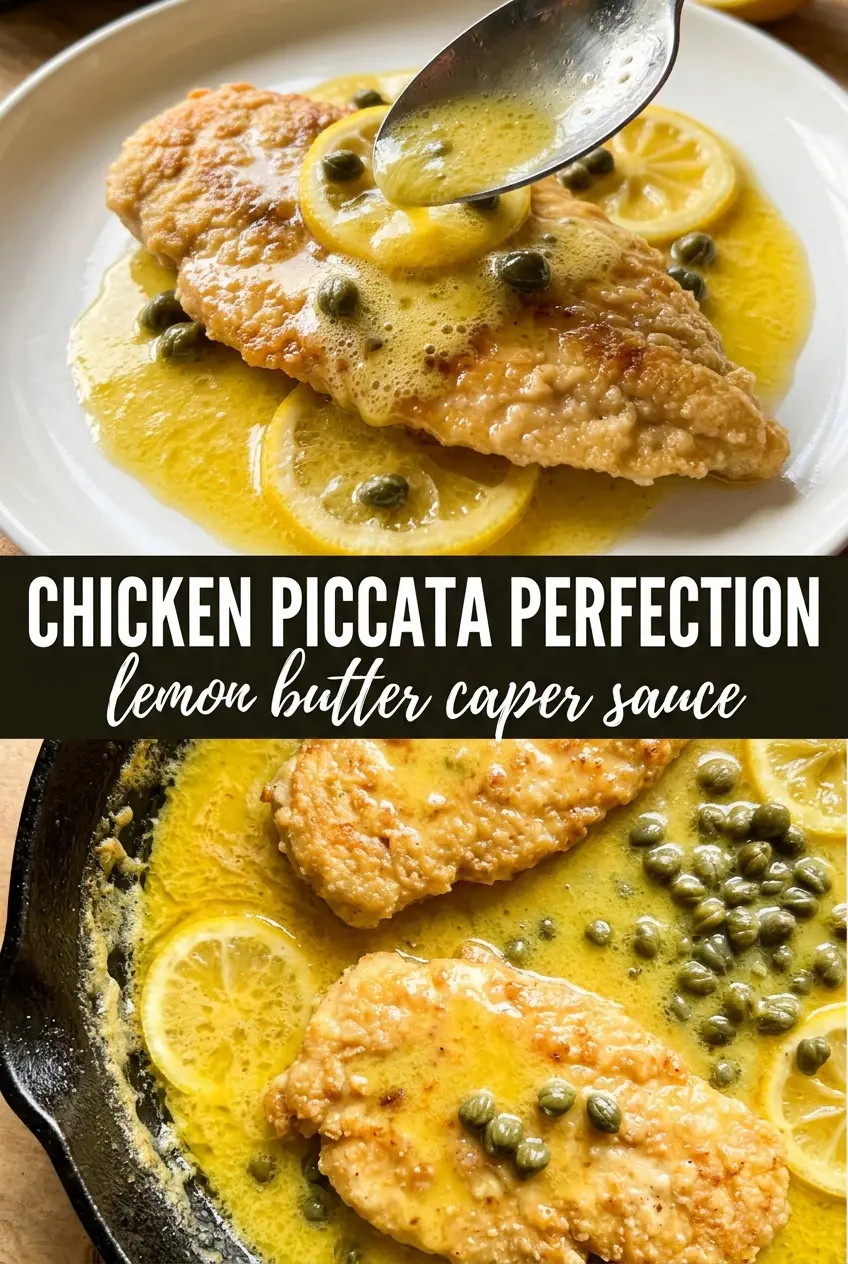
The chicken stayed crisp even after I spooned on the sauce, and the lemon-caper pan sauce reduced into this glossy layer instead of turning watery. My husband asked if I could make it again the next night.
Love the glossy lemon-caper sauce and crisp chicken cutlets? Save this Chicken Piccata for the nights when you want a fast Italian-American dinner that still tastes restaurant-worthy.
The Reason the Sauce Stays Bright Instead of Turning Flat
Chicken piccata has one common weak point: the sauce can taste harsh, thin, or greasy if it isn’t built in the right order. The flour on the chicken matters because it gives the sauce something to cling to and helps the pan pick up just enough body from the browned bits. Without that light coating, you end up with lemony broth instead of a proper pan sauce.
The other mistake is adding butter too early or keeping the heat too high once the lemon goes in. Acid and high heat can make the sauce taste sharp and the butter separate. Pull the pan off the burner at the end, then swirl in the last butter cubes while the sauce is still hot. That’s how you get the glossy finish that coats the back of a spoon.
- Thin chicken cutlets — These cook fast and stay tender. If your breasts are thick, halve them horizontally and pound them just enough to even out the thick end so the whole piece finishes at the same time.
- Dry white wine — It adds depth and lifts the browned bits off the skillet. If you skip it, use extra broth plus a teaspoon of white wine vinegar, but the sauce will taste a little less rounded.
- Cold butter — Cold butter emulsifies into the sauce more cleanly than room-temperature butter. Stir it in off the heat so the sauce turns silky instead of oily.
What Each Ingredient Is Actually Doing in the Pan
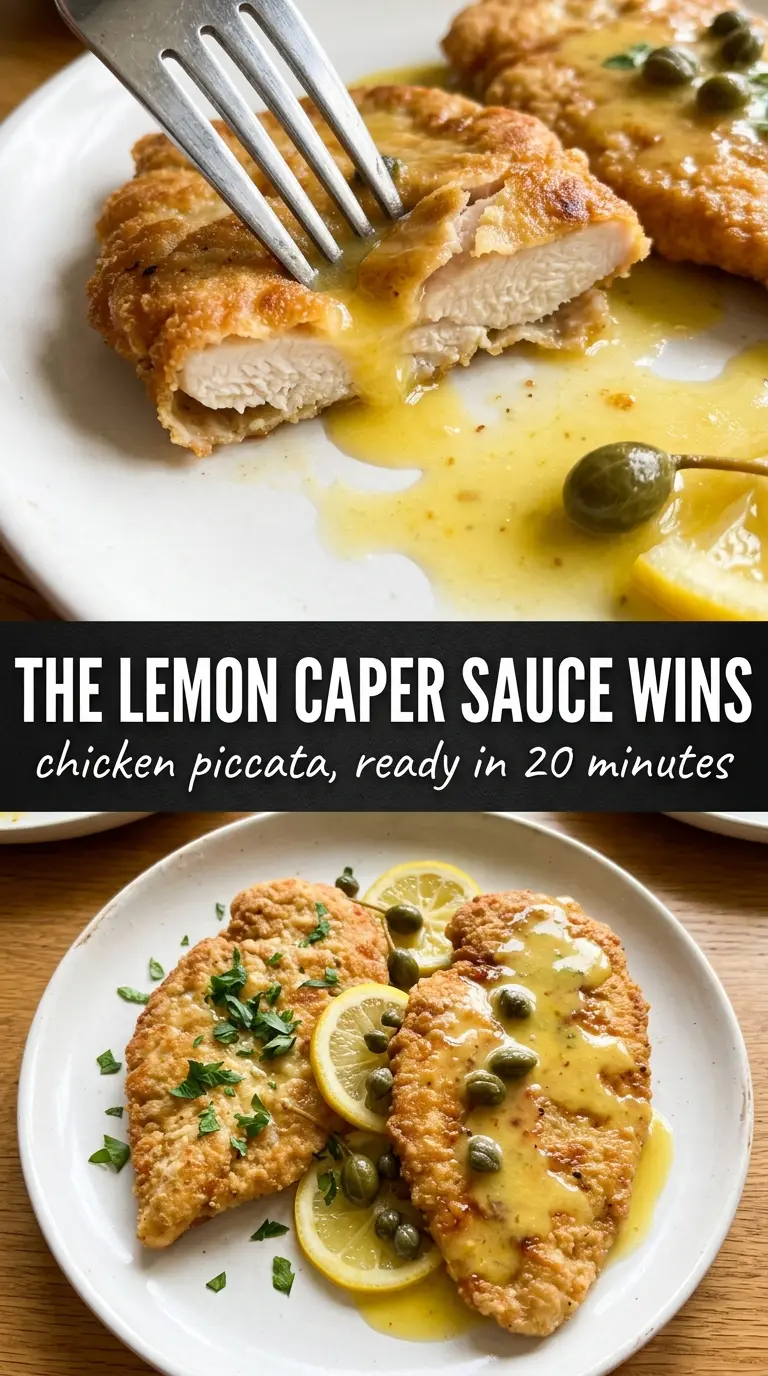
- Chicken cutlets — Thin cutlets are the backbone of the dish because they cook in minutes and give you more surface area for browning. If you start with full breasts, slice them carefully before you season them; don’t try to cook thick chicken all the way through in the sauce.
- Flour — The light dredge builds that faint crust and helps the sauce thicken slightly. Shake off the excess or the coating will turn pasty in the skillet.
- Olive oil and butter — Oil raises the smoke point, while the butter gives flavor and color. Using both keeps the chicken from burning before it browns.
- White wine — This is the deglazing liquid that pulls the best flavor from the pan. A dry Sauvignon Blanc or Pinot Grigio works well; avoid sweet wine because it makes the sauce taste muddy.
- Lemon juice and capers — Lemon gives the dish its sharp brightness, and capers bring the salty, briny hit that keeps the sauce from tasting one-note. Fresh lemon juice matters here; bottled juice can taste flat and bitter.
- Lemon slices — They’re partly for flavor and partly for the look of the finished dish. Thin slices soften as they simmer, but if you cut them too thick they can dominate the sauce.
How to Keep the Chicken Crisp While the Sauce Comes Together
Seasoning and Dredging
Season the chicken on both sides before it ever touches the flour. That gives you flavor in the meat, not just on the crust. Dredge lightly, then tap off the loose flour so you get a thin coating instead of a gummy shell. If the flour looks wet and clumpy before it hits the pan, it was too heavy.
Golden Browning
Heat the oil and butter until the butter foams and settles, then add the chicken in a single layer. You want a steady sizzle, not violent spitting. Cook in batches if needed; crowding traps steam and softens the coating before it can turn crisp. Flip only when the first side is a deep golden color and the chicken releases easily from the pan.
Building the Pan Sauce
After the chicken comes out, add the garlic for just 30 seconds. It should smell fragrant, not brown. Pour in the wine and scrape up every browned bit from the skillet, because that’s the base of the flavor. Let it reduce before adding the broth and lemon juice, or the sauce will stay thin and taste too sharp.
Finishing Off Heat
Once the sauce has reduced and the capers and lemon slices have softened, pull the pan off the burner. Swirl in the remaining butter until the sauce turns glossy and slightly thicker. Return the chicken at the very end, spooning sauce over the top so the cutlets stay crisp underneath instead of soaking in the pan for too long.
How to Adapt This for a Lighter Dinner or a Different Pantry
Gluten-Free Chicken Piccata
Use a 1:1 gluten-free flour blend in place of all-purpose flour. You’ll still get the light coating that helps the chicken brown and thickens the sauce a little, though the crust may be a touch more delicate. Don’t skip shaking off the excess, since some gluten-free blends get pasty if they’re applied too heavily.
Dairy-Free Version
Use olive oil in place of the butter for browning, then finish the sauce with a spoonful of dairy-free butter if you want the same glossy texture. The flavor stays bright and clean, though it won’t have quite the same round finish as the original. Keep the heat low at the end so the substitute doesn’t split.
No-Wine Piccata
Replace the wine with extra chicken broth plus 1 teaspoon of white wine vinegar or a splash more lemon juice. The sauce will still deglaze the pan, but it’ll taste a little less layered. This version works well when you want the dish family-friendly without losing the bright lemon-caper finish.
Make It with Chicken Thighs
Boneless thighs bring a richer flavor and stay juicy, but they won’t have the same elegant shape or quick cooking time as cutlets. Pound them to an even thickness and watch the cook time closely. They’re especially good if you want a slightly more forgiving result.
Storage and Reheating
- Refrigerator: Store leftovers in an airtight container for up to 3 days. The crust softens in the sauce, but the flavor stays good.
- Freezer: It freezes, but the sauce can separate a little when thawed. If you plan to freeze it, cool it fully and store the chicken and sauce together for up to 2 months.
- Reheating: Warm gently in a skillet over low heat with a splash of broth or water. High heat makes the chicken tough and can cause the butter sauce to break.
Questions I Get Asked About This Recipe
Chicken Piccata
Ingredients
Equipment
Method
- Season the chicken cutlets with salt and pepper, then dredge lightly in flour and shake off excess so they’re coated but not pasty.
- Heat olive oil and 2 tablespoons butter in a large skillet over medium-high heat until shimmering, then cook chicken in batches for 3-4 minutes per side until golden and cooked through.
- Remove the cooked chicken to a plate and set aside while you make the sauce.
- Add garlic to the skillet and cook for 30 seconds, stirring, until fragrant but not browned.
- Pour in the white wine and scrape up the browned bits from the pan, then simmer for 2 minutes.
- Add chicken broth, lemon juice, capers, and lemon slices, then simmer for 4-5 minutes until the sauce reduces by about a third.
- Remove from heat and swirl in the remaining 2 tablespoons cold butter until the sauce turns glossy.
- Return the chicken to the skillet and spoon the sauce over each cutlet so the sauce pools around the fillets.
- Garnish with chopped fresh parsley and serve right away.