Smoked mac and cheese earns its place on the table the minute you lift the lid and catch that first hit of wood smoke over a pan of bubbling cheese. The pasta stays tender, the sauce turns velvety instead of gluey, and the top picks up just enough crunch to give every bite a little contrast. It’s the kind of side dish people hover around before dinner even starts.
The trick here is keeping the cheese sauce smooth before it ever meets the smoker. A quick roux gives the milk and cream enough body to cling to the noodles, while sharp cheddar brings the familiar tang and smoked Gouda folds in that deep, mellow smoke flavor without making the whole dish taste heavy. The panko topping matters too; it gives you a crisp lid so the top doesn’t just dry out in the heat.
Below you’ll find the small details that keep the sauce from turning grainy, how long to smoke it for the best crust, and a few easy swaps if you want to change the cheese blend or make it ahead.
The sauce stayed silky all the way through the smoke, and the panko topping turned out crisp instead of soggy. I used it for a backyard cookout and the pan was scraped clean before the ribs were even off the grill.
Smoked mac and cheese with that crisp panko topping is the side dish that disappears first at any BBQ spread.
The Reason the Sauce Stays Creamy After Smoking
The biggest mistake with smoked mac and cheese is starting with a sauce that’s already too thin or too hot. The smoker doesn’t thicken the sauce; it just keeps cooking it. If the base is loose going in, the pasta keeps absorbing liquid and the pan turns soupy in the center and dry around the edges.
A roux gives the milk and cream a stable base, and adding the cheese off the heat keeps the proteins from tightening up into a grainy mess. That matters even more with a smoker, because the gentle heat stretches the cooking time. You want the sauce to look a little too glossy in the pot and then settle into the macaroni as it smokes.
- Roux — This is what keeps the sauce from breaking. Cook the butter and flour just long enough to lose the raw flour smell, but don’t let it brown unless you want a nuttier finish.
- Sharp cheddar — This brings the punchy, familiar cheese flavor. Pre-shredded cheese works in a pinch, but block cheese melts smoother because it doesn’t carry anti-caking starch.
- Smoked Gouda — This is where the smoke flavor comes from in the cheese itself. It doesn’t need to dominate; it rounds out the cheddar and makes the dish taste like it belongs near the smoker.
- Panko topping — Fine crumbs turn muddy. Panko holds its texture longer, especially with the butter coating it before it goes on top.
What Each Cheese Is Doing in the Pan
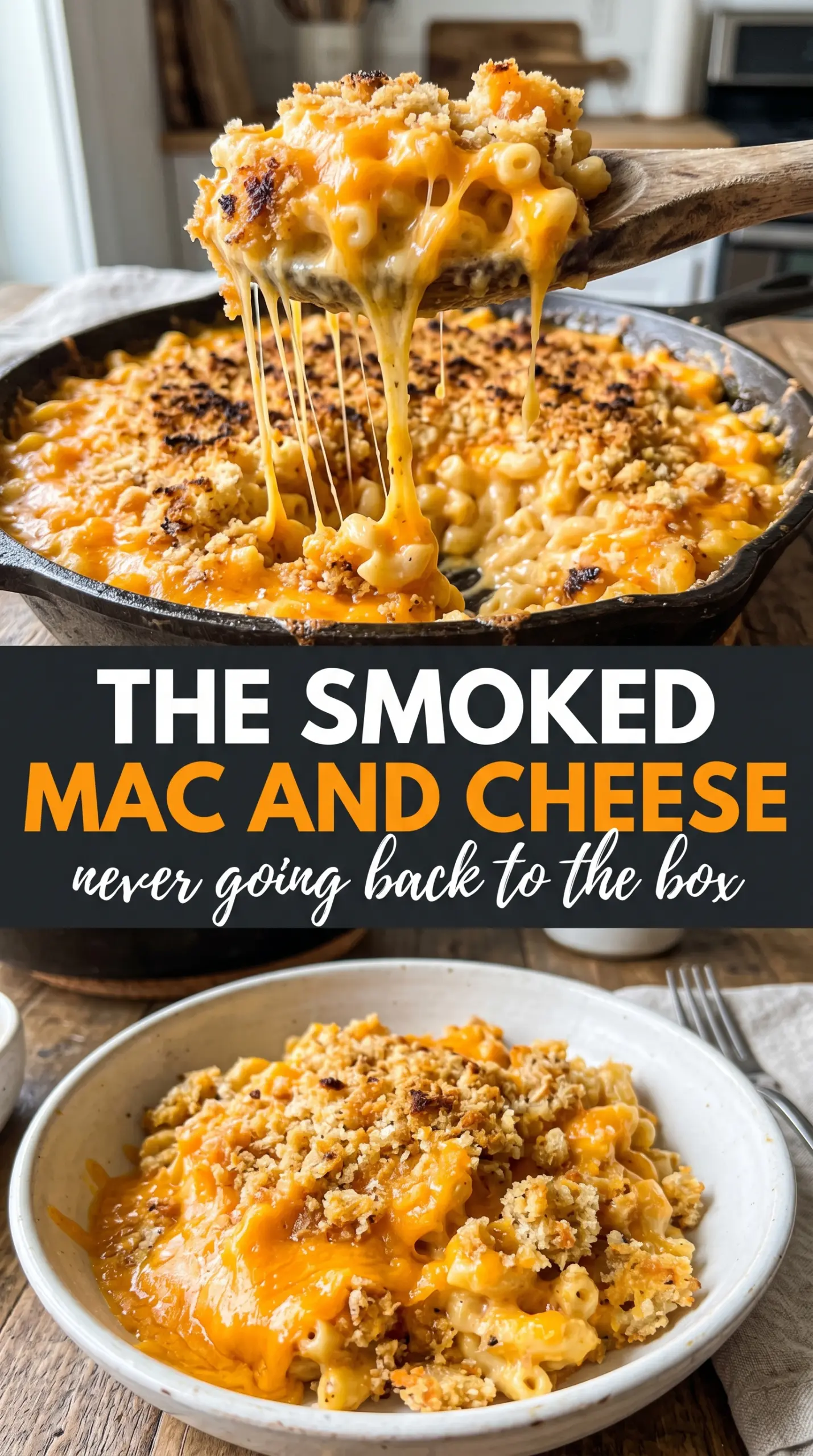
Sharp cheddar carries the main body of the flavor and gives the sauce that classic orange color. It melts well, but it can turn oily if you heat it too hard, so pull the pan off the burner before you stir it in.
Smoked Gouda adds depth and a gentle smokiness that fits the cooking method. If you swap it for mozzarella or mild cheese, the dish will still be creamy, but it loses the BBQ-style personality that makes this version stand out.
Heavy cream and milk work together to keep the sauce rich without becoming stiff. All milk will make it lighter, but the finished mac won’t have the same silkiness after the smoke time.
Elbow macaroni is the right shape because those curves trap sauce in every bite. If you use a long pasta, it won’t hold the cheese as well and the casserole-style scoop becomes harder to serve cleanly.
Building the Mac Before It Hits the Smoker
Making the Cheese Sauce
Melt the butter, whisk in the flour, and cook it just until it looks smooth and smells a little nutty. That raw flour stage is gone fast, but it matters. Whisk in the milk and cream gradually so the sauce stays lump-free, then keep stirring until it lightly coats the back of a spoon. Add the cheese after you’ve taken the pan off the heat; high heat is the fastest way to get a gritty sauce.
Combining Pasta and Sauce
Stir the cooked macaroni into the cheese sauce while both are still warm. You want every noodle coated, but not drowning. If the sauce seems thinner than you expected, that’s fine — the pasta will absorb some of it as it smokes. The pan should look loose and creamy, not stiff, before it goes into the smoker.
Building the Topping
Mix the panko with the melted butter until every crumb is lightly coated. This is what helps it turn golden instead of dusty. Sprinkle it evenly over the top so the whole surface browns at the same pace. If you pile it too thick in one spot, that patch will stay pale while the rest crisps.
Smoking to the Right Finish
Smoke the pan at 225°F until the edges are bubbling and the top has turned deep gold. The center should still have a little movement when you nudge the pan, because it finishes setting as it rests. If it sits in the smoker too long, the pasta drinks up too much sauce and the texture goes from creamy to heavy. Ten minutes of rest is enough for it to settle without drying out.
How to Change This Without Losing the Creamy Texture
Make It Gluten-Free
Use gluten-free pasta and swap the flour for a 1:1 gluten-free all-purpose blend in the roux. The texture stays close to the original, but gluten-free pasta can soften faster, so pull it from the smoker once the top is browned and the edges are bubbling.
Skip the Smoked Gouda
If you don’t have smoked Gouda, use Monterey Jack or fontina for a smoother melt, then add a small pinch of smoked paprika to bring back some of that grill-side character. The result will be milder and less smoky, but still rich and balanced.
Make It Ahead for a Crowd
You can assemble the mac and cheese up to a day ahead and keep it covered in the fridge, then add the panko topping right before smoking. The sauce will thicken as it chills, so loosen it with a splash of milk if it looks tight before it goes into the smoker.
Storage and Reheating
- Refrigerator: Store leftovers covered for up to 4 days. The sauce will firm up, but it stays creamy once reheated with a little moisture.
- Freezer: It freezes reasonably well in portioned containers for up to 2 months, though the texture softens a bit after thawing. Freeze it without the topping if possible and add fresh crumbs when reheating.
- Reheating: Warm covered in the oven at 325°F with a splash of milk on top, or reheat individual portions gently in the microwave. Don’t blast it on high heat or the cheese will separate before the center gets hot.
Questions I Get Asked About This Recipe
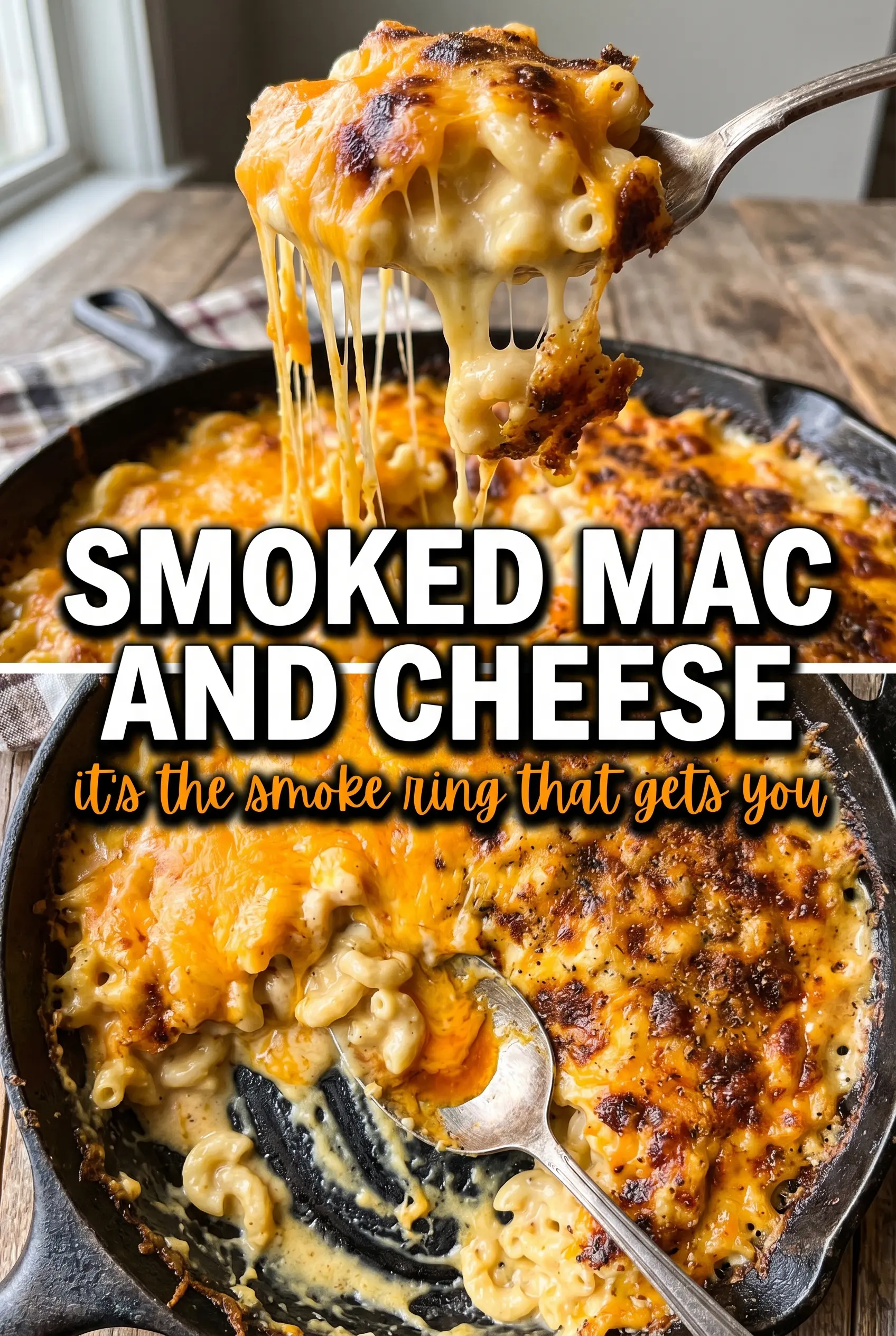
Smoked Mac And Cheese
Ingredients
Equipment
Method
- Prepare smoker to 225°F with steady smoke output so the temperature holds. You should see consistent smoke before loading the pan.
- Melt butter over medium heat until fully liquefied and glossy. Whisk in the flour and cook 1-2 minutes to remove the raw flour taste.
- Whisk in milk and heavy cream gradually until the mixture is smooth and thickening. Continue whisking until it coats the back of a spoon.
- Add sharp cheddar and smoked Gouda, then whisk until fully melted and silky. Stir in garlic powder and season with salt and pepper.
- Mix the cooked elbow macaroni with the cheese sauce in an aluminum pan until evenly coated. Spread the pasta into an even layer so it bakes consistently.
- Top with panko breadcrumbs mixed with melted butter in an even layer. Lightly press the topping so it adheres during smoking.
- Smoke for 60-90 minutes at 225°F until the mac is bubbly around the edges and the top turns golden. Keep the lid closed as much as possible to maintain temperature.
- Let the smoked mac and cheese rest 10 minutes before serving. The sauce will thicken slightly as it settles for cleaner, creamier servings.