Golden seared chicken over buttery mashed potatoes is the kind of dinner that disappears fast because every bite gives you something a little different: crisp-edged herb crust on the chicken, soft potatoes underneath, and a garlic pan sauce that ties the whole plate together. This version stays simple, but it doesn’t taste plain. The chicken is seasoned directly, seared hard enough to pick up color, then finished with a quick pan sauce made from the browned bits left behind.
The potatoes matter just as much as the chicken here. Yukon Golds mash up smooth and creamy without turning gluey, and warming the cream before it goes in keeps the texture light instead of heavy. The sauce is built in the same pan, which means the garlic and broth pick up all that roasted flavor from the chicken instead of starting from scratch.
Below you’ll find the small details that make this dinner work on a weeknight: how to keep the chicken juicy, how to get mashed potatoes that stay fluffy, and what to change if you need a dairy-free version or want to use what you already have in the pantry.
The chicken got that gorgeous crust and the pan sauce picked up every bit from the skillet. My potatoes stayed fluffy instead of gluey, and the whole dinner tasted like something from a bistro.
Save this garlic herb chicken and mashed potatoes dinner for the night you want a seared chicken breast, silky potatoes, and a quick pan sauce on one plate.
The Part That Keeps the Chicken Juicy While the Potatoes Finish
The biggest mistake with chicken breast and mashed potatoes is trying to coordinate everything at full heat and ending up with dry chicken or cold potatoes. This version works because the chicken gets a hard sear first, then rests while the potatoes hold warm. That rest matters. If you slice into the chicken the second it leaves the pan, the juices run out and the meat eats drier than it should.
Another thing that helps is using boneless, skinless breasts that are similar in thickness. If one end is much thicker, pound it lightly so the whole piece cooks at the same pace. That gives you a better sear without overcooking the thinner end, which is usually where chicken breast goes from juicy to chalky.
- Yukon Gold potatoes — These mash into a naturally creamy texture without needing a ton of added dairy. Russets work, but they lean fluffier and drier, so you may need a little more cream.
- Warmed cream or whole milk — Cold dairy cools the potatoes down and can make them feel heavy. Warm it first so it blends in smoothly and keeps the mash airy.
- Smoked paprika and herbs — The paprika gives the chicken a deeper savory note, while thyme and rosemary bring the classic herb flavor that holds up to the pan sauce. Dried herbs work fine here because they toast in the hot oil.
- Chicken broth — This is what turns the browned bits in the skillet into a sauce. Water won’t give you the same depth, so broth is worth using.
What Each Ingredient Is Doing in the Skillet
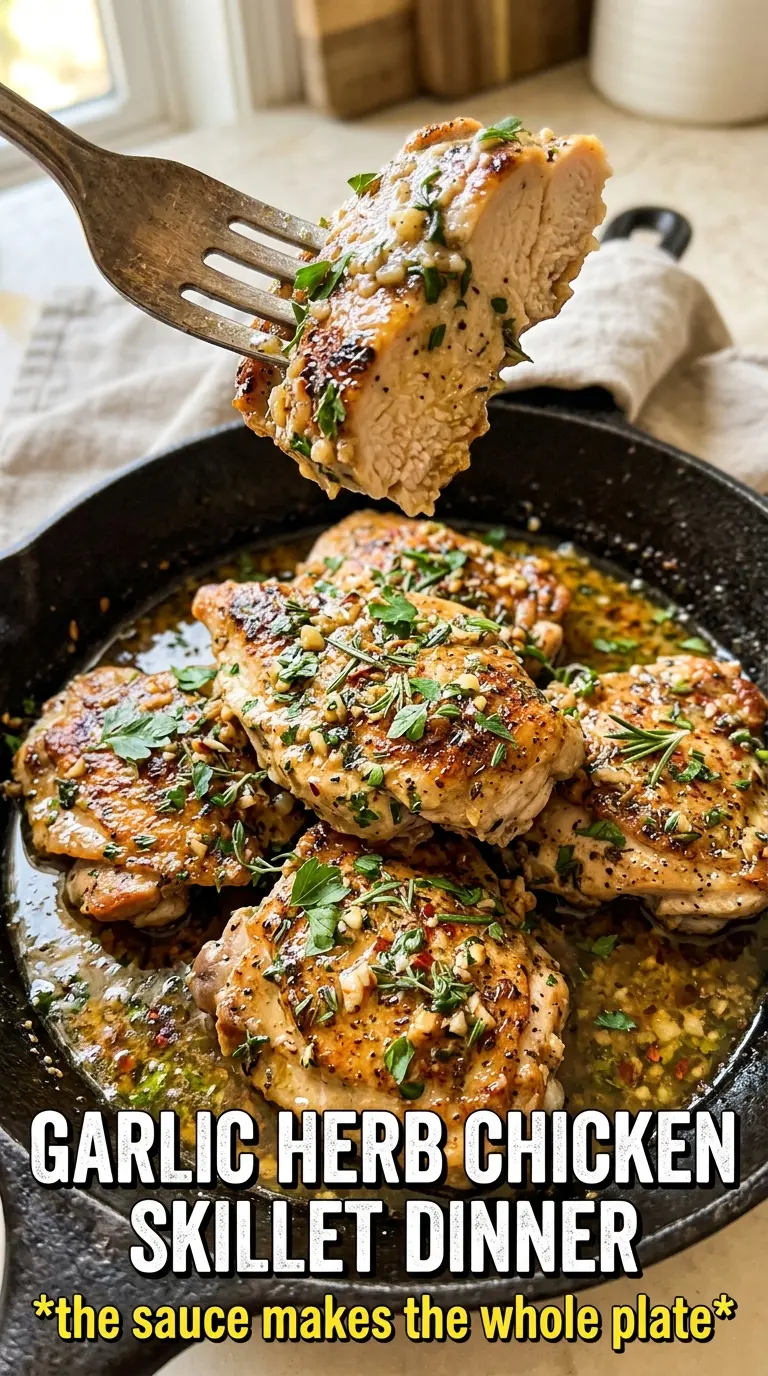
- Chicken breasts — These are the main protein, but they also carry the seasoning and give the pan its browned flavor base. If your breasts are very large, split them horizontally or pound them a bit so they cook through before the outside gets too dark.
- Butter — Butter shows up twice for a reason: once in the potatoes for richness, and again in the skillet to carry the garlic flavor into the sauce. You can reduce it slightly, but the dish will lose some of its comfort-food feel.
- Garlic — Fresh minced garlic is what makes the pan sauce taste alive. Jarred garlic can work in a pinch, but it tends to taste flatter and more bitter after cooking.
- Olive oil — This helps the chicken sear without scorching the butter. If you use only butter at the start, it can brown too fast and taste burnt before the chicken is cooked.
How to Build the Sauce Without Scraping Up Trouble
Boiling and Mashing the Potatoes
Start the potatoes in well-salted water and cook them until a fork slides through with no resistance, but don’t let them turn to mush or they’ll hold too much water. Drain them well, then mash while they’re still hot so the butter melts in evenly. Add the warmed cream or milk a little at a time until the potatoes look fluffy and loose, not sticky. If they start to feel gummy, they’ve been worked too hard, so switch to a gentler hand and stop mashing as soon as the texture looks right.
Seasoning and Searing the Chicken
Pat the chicken dry before seasoning it. Wet chicken steams, and steamed chicken won’t brown well. Sear over medium-high heat until the first side releases cleanly and the edges look golden, then flip and cook until the center reaches 165°F. If the outside is getting dark before the middle is done, lower the heat slightly and give it a minute more per side.
Making the Garlic Pan Sauce
Pull the chicken out before you start the sauce. That keeps it juicy while you use the same pan for flavor. Melt the butter, cook the garlic just until fragrant, then pour in the broth and scrape the bottom of the pan to loosen every brown bit. Let it simmer until it reduces slightly and looks glossy; if the heat is too high, the garlic can burn and the sauce will taste sharp instead of round.
Plating for the Best Bite
Spoon the mashed potatoes onto the plate first so they catch the sauce, then lay the chicken over the top. Drizzle the pan sauce over both, not just the chicken, because the potatoes need that salty, garlicky finish too. Fresh parsley goes on at the end for color and a clean herbal note. If you add it too early, it wilts and disappears into the sauce.
Three Ways to Adjust It Without Losing What Makes It Good
Dairy-Free Version
Use olive oil in the potatoes instead of butter and swap in unsweetened oat milk or chicken broth for the cream. The mash won’t be as rich, but it will still be smooth and savory. For the sauce, use a dairy-free butter alternative or just add a little more broth and let it reduce a bit longer.
For Thicker Chicken Breasts
If your chicken breasts are large, slice them in half horizontally or pound them to an even thickness before seasoning. That keeps the center from lagging behind while the outside overcooks. The result is a juicier cut with more even browning and less guesswork at the stove.
Garlic Lover’s Upgrade
Roast a few extra garlic cloves and mash them into the potatoes, then add an extra small clove to the pan sauce. That gives the dish a sweeter, deeper garlic note instead of only the sharpness from raw minced garlic. Don’t add extra garlic straight into the sauce too early or it can turn bitter.
Storage and Reheating
- Refrigerator: Store chicken and mashed potatoes separately for up to 3 days. The potatoes will firm up, but they loosen again with a little warm milk or broth.
- Freezer: The chicken freezes well for up to 2 months. The mashed potatoes can freeze, but the texture gets a little grainy after thawing, so I only freeze them if I have to.
- Reheating: Reheat the chicken gently in the oven or covered in a skillet with a splash of broth so it doesn’t dry out. Warm the potatoes over low heat with a spoonful of milk or cream, stirring until smooth; high heat makes them stiff and pasty.
Answers to the Questions Worth Asking
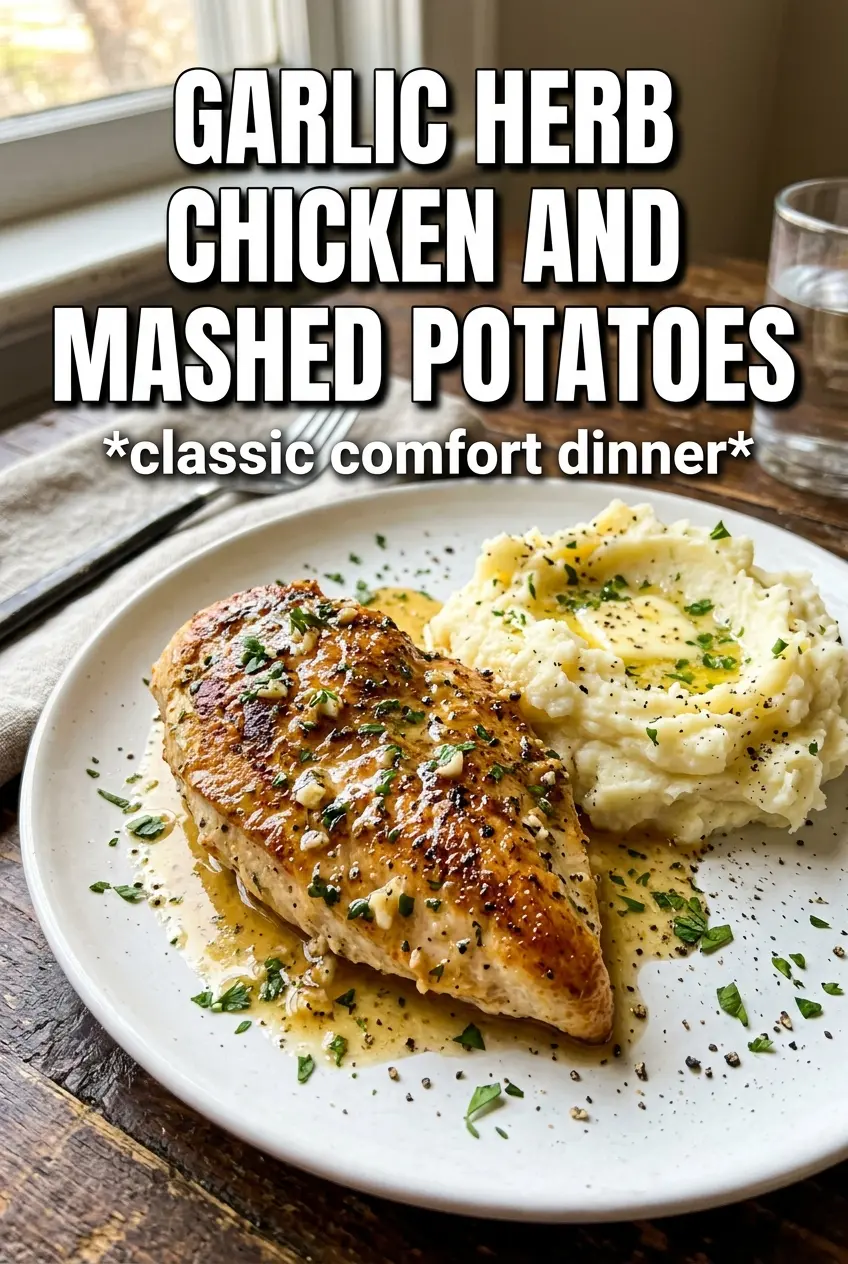
Garlic Herb Chicken Breast with Mashed Potatoes
Ingredients
Equipment
Method
- Bring a pot of salted water to a boil, then add the peeled and cubed Yukon Gold potatoes and cook for 15-18 minutes until fork-tender, with bubbles staying steady under the surface.
- Drain the potatoes and mash until smooth and fluffy, then mix in butter, warmed heavy cream (or whole milk), salt, black pepper, and garlic powder until creamy and lump-free; keep warm.
- Pat the chicken breasts dry, then season all over with garlic powder, smoked paprika, dried thyme, dried rosemary, salt, and black pepper.
- Heat olive oil in a skillet over medium-high heat, then sear the chicken for 5-6 minutes per side until golden and cooked through to 165°F; remove when the thickest part reaches temperature.
- Melt 2 tablespoons butter in the same pan, then cook the minced garlic for 1 minute until fragrant, scraping lightly so nothing browns too far.
- Add chicken broth and scrape up the browned bits, then simmer for 2-3 minutes until a simple pan sauce forms, glossy and lightly reduced.
- Spoon mashed potatoes onto plates and place the sliced (or whole) chicken breast on top to create a mound of creamy base.
- Drizzle the garlic pan sauce over the chicken so it runs slightly into the potatoes.
- Finish with fresh parsley garnish scattered over the top for a bright green contrast.