Garlic butter chicken pasta lands on the table with glossy strands of spaghetti, golden chicken, and a sauce that clings instead of puddling at the bottom of the bowl. The balance is what keeps me making it again: enough butter to make the pasta taste rich, enough garlic to carry the whole dish, and a hit of lemon to keep the sauce from feeling heavy.
The trick here is using the same skillet for the chicken and the sauce. Those browned bits left behind give the garlic butter real depth, and the pasta water turns the butter into a loose emulsion that coats every strand. Freshly grated Parmesan finishes it with a salty, nutty edge that pre-shredded cheese just can’t match.
Below, I’ve included the small details that matter most: how to keep the garlic from burning, when to add pasta water, and a few smart swaps if you need to adapt the dish without losing what makes it work.
The sauce clung to the spaghetti instead of turning oily, and the lemon kept the garlic butter from tasting too heavy. My husband went back for seconds before I even sat down.
Like this garlic butter chicken pasta? Save it for the nights when you want glossy spaghetti, seared chicken, and a lemony Parmesan sauce with almost no cleanup.
The Reason the Sauce Stays Silky Instead of Turning Greasy
The biggest mistake in garlic butter pasta is treating the butter like a sauce by itself. Butter needs help carrying the starch and cheese, which is why the reserved pasta water matters here. It turns the melted butter into something that can coat spaghetti evenly instead of separating into an oily slick at the bottom of the pan.
The other key move is keeping the garlic gentle. Once garlic starts to brown too fast, it turns sharp and bitter, and there’s no fixing that later. You want the edges just barely golden, the smell warm and nutty, and then the lemon juice goes in before the pan gets too hot. That quick hit of acid lifts the richness and keeps the whole dish tasting clean.
What Each Ingredient Is Actually Doing in This Dish
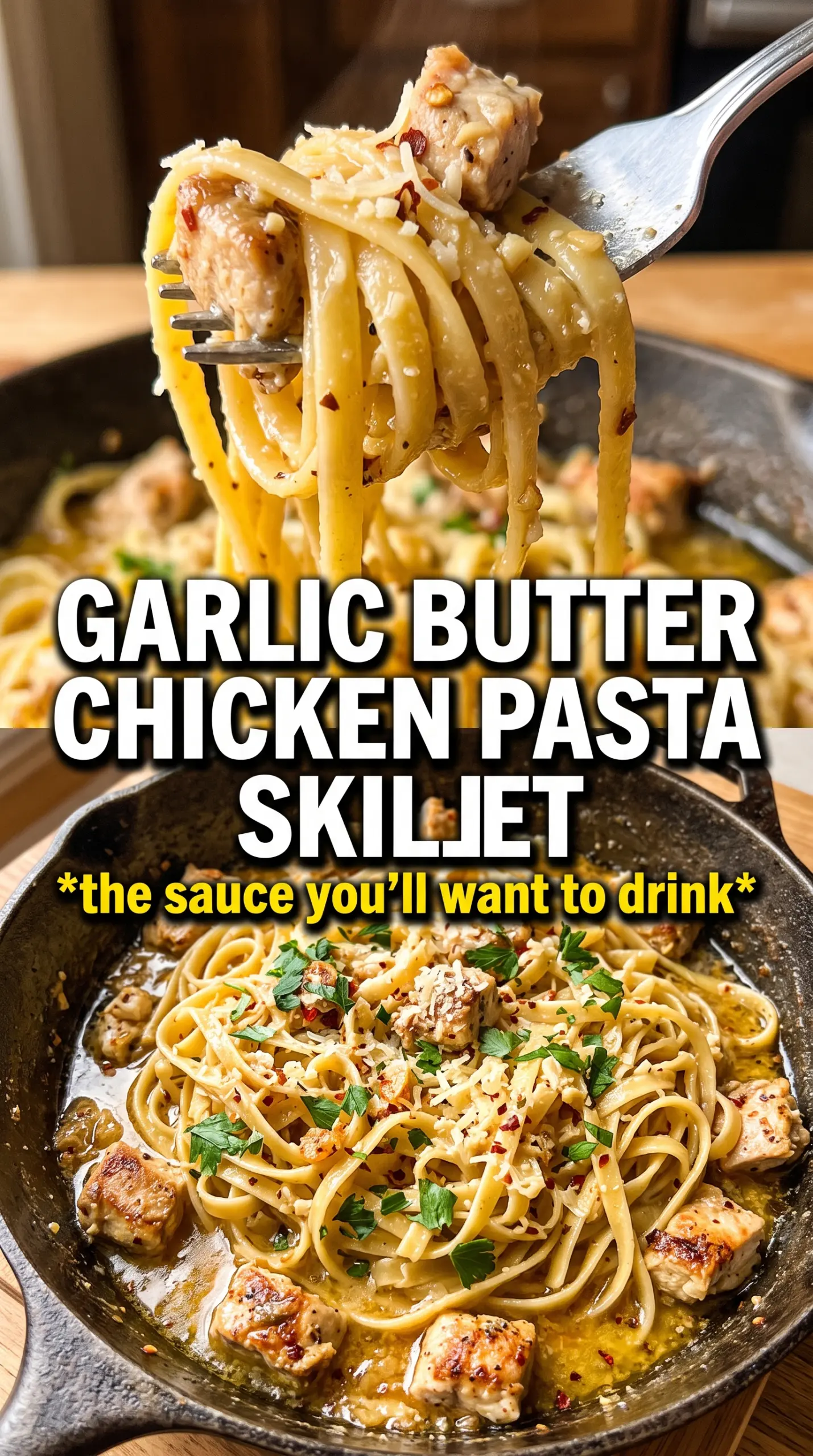
- Chicken breasts — Sliced into strips, they cook fast and brown well, which matters because those browned bits flavor the sauce. Thighs work too if you want a little more richness, but they’ll need a minute or two longer in the pan.
- Butter — This is the backbone of the sauce, so use real butter and don’t rush the melting stage. If you use salted butter, hold back a little on the final seasoning until after the Parmesan goes in.
- Garlic — Fresh garlic is non-negotiable here. Jarred garlic won’t give the same fragrance or sweet edge when it hits the warm butter, and that flavor is the whole point of the dish.
- Spaghetti — Long pasta works best because it catches the sauce instead of letting it slip off. If you swap in linguine or fettuccine, the method stays the same, but thin pasta needs a bit less pasta water.
- Parmesan — Freshly grated Parmesan melts into the sauce and gives it body. Pre-grated cheese often stays grainy or clumpy, especially in a butter-based sauce.
- Lemon juice — This doesn’t make the pasta taste lemony. It keeps the sauce from feeling flat and heavy, especially after the butter and cheese go in.
Building the Garlic Butter Sauce Without Losing the Sear
Season and Sear the Chicken First
Coat the chicken strips evenly with salt, pepper, garlic powder, and Italian seasoning, then get them into a hot skillet with olive oil. Let them sit long enough to pick up color before turning them; if you keep moving them around, they’ll steam and stay pale. You’re looking for deep golden edges and an internal temperature that’s fully cooked through, not dry and stringy. Pull the chicken out as soon as it’s done, because it’ll finish later when you top the pasta.
Wake Up the Garlic in the Butter
Melt the butter in the same skillet and add the minced garlic and red pepper flakes. Keep the heat at medium, not high, and stir just until the garlic smells sweet and starts to turn golden at the edges. If the garlic darkens fast, the pan is too hot, so take it off the burner for a few seconds before it burns. The goal is a fragrant base, not toasted garlic chips.
Toss the Pasta Until the Sauce Grabs On
Add the lemon juice, then slide in the cooked spaghetti and toss it hard with tongs. Add the pasta water a splash at a time until the sauce loosens, then thickens again as it coats the noodles. If it looks greasy, it needs more pasta water and more tossing, not more butter. Once the pasta goes glossy and the pan looks almost dry between tosses, you’ve got the texture right.
Finish With Cheese and Chicken
Turn off the heat before adding the Parmesan so it melts into the sauce instead of clumping. Nestle the chicken back on top, shower everything with parsley, and serve it right away while the noodles are still silky. This dish waits for nobody; once it sits, the sauce tightens up and the pasta starts soaking in the liquid.
How to Adapt Garlic Butter Chicken Pasta Without Losing the Point
Gluten-Free Pasta Swap
Use your favorite gluten-free spaghetti, but cook it just to al dente and keep an eye on it once it hits the skillet. Gluten-free pasta can go soft faster than wheat pasta, so add the pasta water in smaller amounts and toss gently until the sauce clings without breaking the noodles.
Dairy-Free Version
Swap the butter for a good dairy-free butter-style substitute and skip the Parmesan, then add a little extra salt and a spoonful of nutritional yeast for a savory finish. The result won’t have quite the same richness, but the garlic, lemon, and chicken still carry the dish well.
Use Chicken Thighs for a Richer Finish
Boneless skinless thighs give you a juicier bite and a little more flavor in the pan drippings. They take a touch longer to cook, but they’re more forgiving if your skillet runs hot or if you like the chicken extra tender.
Make It Lighter Without Making It Bland
Cut the butter down a bit and lean on the pasta water, lemon juice, and Parmesan to keep the sauce lively. You’ll lose some richness, but the dish still tastes complete if you don’t skip the pasta water, which is what keeps everything coated and cohesive.
Storage and Reheating
- Refrigerator: Store leftovers in an airtight container for up to 3 days. The pasta will absorb some of the sauce, so it won’t be as glossy as it is right after cooking.
- Freezer: I don’t recommend freezing this one. Butter sauces and pasta both change texture after thawing, and the chicken can turn a little dry.
- Reheating: Warm it gently in a skillet over low heat with a splash of water or broth. Microwaving it hard can make the chicken tough and the sauce split, so go low and slow until it loosens again.
Answers to the Questions Worth Asking
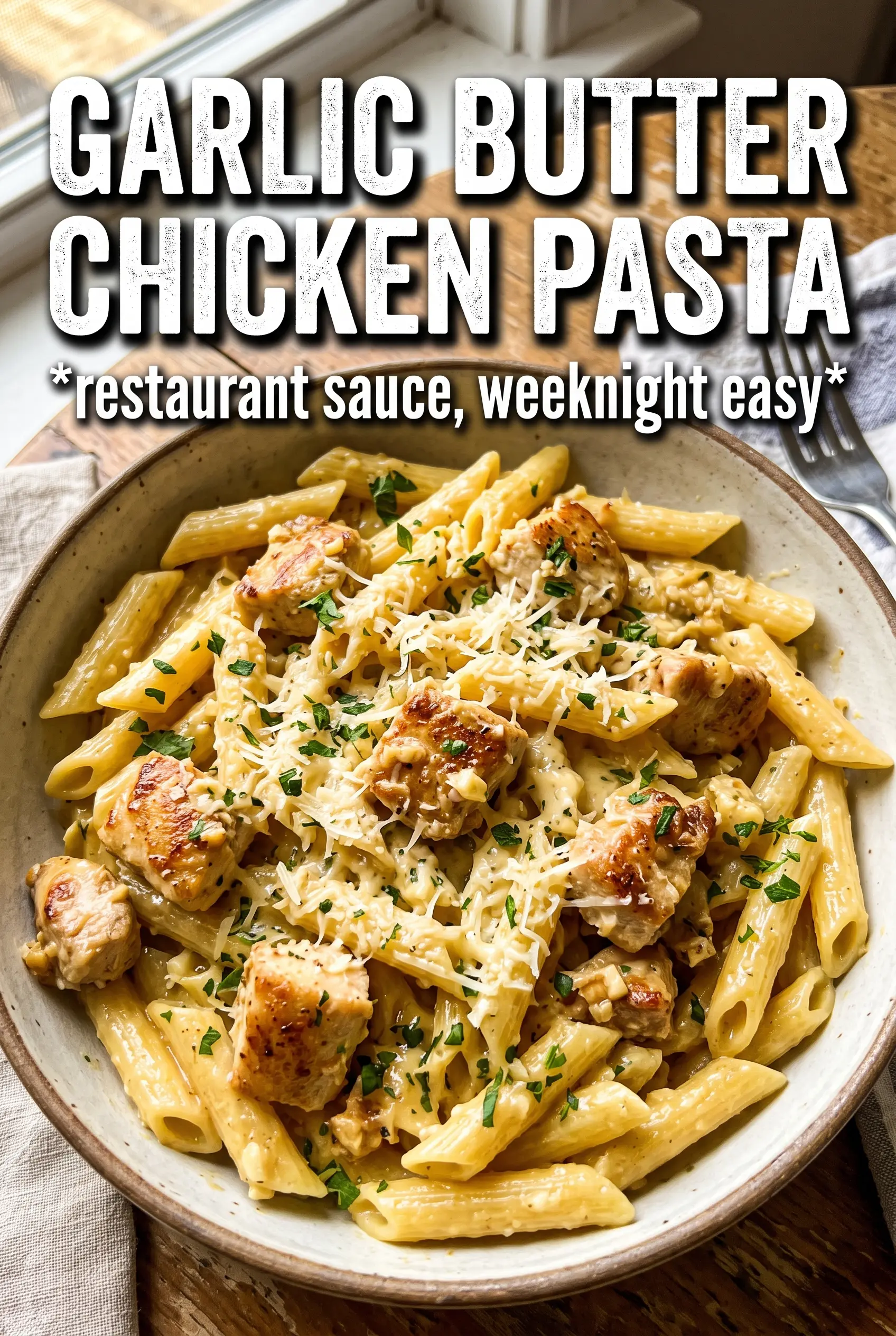
Garlic Butter Chicken Pasta
Ingredients
Equipment
Method
- Season the chicken strips with salt, pepper, garlic powder, and Italian seasoning to taste, then cook in olive oil in a large skillet over medium-high heat for 4-5 minutes per side until golden and cooked through; remove and set aside.
- Melt the butter in the same skillet over medium heat, then add the garlic and red pepper flakes and cook for 1-2 minutes until fragrant and the garlic has golden edges.
- Add the lemon juice and toss the cooked spaghetti into the garlic butter sauce.
- Add reserved pasta water a splash at a time, tossing until the sauce coats all the pasta and looks glossy.
- Top the pasta with the seared chicken strips.
- Sprinkle Parmesan and fresh parsley generously over the top for a finished, speckled look.
- Serve immediately while the butter is glistening on the spaghetti.