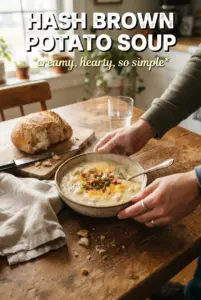
Chicken stew earns its place in the dinner rotation when the broth turns thick and glossy, the chicken goes tender without falling apart, and the potatoes soak up every bit of thyme and garlic. The best bowls have that balance of comfort and structure: soft vegetables, a creamy base, and enough body that it eats like a meal instead of a soup pretending to be one.
This version builds its flavor in layers. Browning the chicken first gives the stew depth before anything else goes in, and the flour is cooked with the vegetables before the broth is added, which keeps the final texture smooth instead of pasty. The cream goes in at the end, after the potatoes are tender, so it stays silky instead of getting cooked down too hard.
Below you’ll find the trick for getting that broth to thicken without clumping, plus a few smart swaps if you want to adjust the vegetables or make it a little lighter.
The broth thickened up beautifully and the chicken stayed tender all the way through. I loved that the potatoes held their shape, and the peas at the end made it taste fresh instead of heavy.
Save this creamy chicken stew for the nights when you want a thick, hearty dinner with tender chicken, potatoes, and a broth that clings to the spoon.
The Part That Keeps Chicken Stew Thick Instead of Watery
The biggest mistake with chicken stew is treating the broth like it will thicken itself. It won’t. If you add the flour straight into liquid, you’ll get little lumps that never fully disappear, and if you rush the simmer, the starch won’t have time to do its job.
Coating the vegetables with flour after they’ve softened gives you a built-in roux right in the pot. Then the broth goes in gradually, which lets the flour disperse before it can seize up. That’s what gives this stew its velvety body without making it taste like gravy.
- Browned chicken — Those golden bits at the bottom are the base of the stew’s flavor. If the pan looks dark, that’s good; the broth will lift it all up.
- Flour — It thickens the stew, but only if it cooks for a full minute before the broth goes in. Raw flour tastes pasty and gives the wrong texture.
- Heavy cream — It’s what turns a standard chicken stew into something richer and more cohesive. Lower-fat milk can work, but the broth will be thinner and less stable.
- Potatoes — Starchy potatoes help the stew feel fuller. Waxy potatoes hold shape better, but they won’t add quite as much body.
What Each Ingredient Is Actually Doing in the Pot

Chicken thighs are the best choice here because they stay juicy through the simmer. Chicken breast will work, but it cooks faster and can turn dry before the potatoes are tender.
Butter and olive oil give you the best of both worlds: the butter adds flavor, and the oil keeps the butter from burning while the chicken browns. If you use all butter, watch the heat closely.
Onion, carrot, celery, and garlic build the savory base. Don’t rush the first sauté; the vegetables need enough time to soften so the stew doesn’t taste flat.
Thyme, rosemary, and bay leaf give the stew its classic herb backbone. Rosemary can get loud if you overdo it, so stick close to the amount listed.
Building the Stew in the Right Order
Getting Color on the Chicken
Season the chicken before it hits the pot, then brown it in batches if needed so it sears instead of steaming. You’re looking for deep golden patches, not a full cook-through at this stage. If the pan is crowded, the chicken will release liquid and go pale, and you’ll lose the flavor that should be in the stew from the start.
Softening the Vegetables and Cooking Out the Flour
Cook the onion, carrots, and celery until the onion turns translucent and the carrots just start to soften. Stir in the garlic for only a minute so it perfumes the pot without burning. When the flour goes in, it should disappear into the vegetables and look a little paste-like before the broth is added; that’s the sign it’s ready to thicken the stew properly.
Simmering Until the Potatoes Are Tender
Once the broth, herbs, and chicken are back in the pot, bring everything to a boil only long enough to get the liquid moving, then drop it to a steady simmer. A hard boil can make the chicken tough and break the vegetables apart. Add the potatoes after the chicken has had its first simmer so they hold their shape instead of turning mushy.
Finishing with Cream and Peas
Stir in the cream and peas near the end, when the potatoes are already tender. The stew should look smooth and slightly glossy, with peas that stay bright green instead of dull and overcooked. Pull the bay leaf before serving, then taste for salt and pepper one last time since the cream will soften the seasoning.
How to Adapt This Chicken Stew Without Losing the Texture
Dairy-Free Version
Swap the heavy cream for full-fat coconut milk or an unsweetened oat cream. Coconut milk gives the stew more richness but adds a subtle coconut note, while oat cream stays closer to the original flavor and keeps the broth silky.
Gluten-Free Version
Replace the all-purpose flour with a gluten-free 1:1 blend that includes xanthan gum, or thicken the stew with a cornstarch slurry at the end. A slurry gives you a clean finish, but it won’t have quite the same round, stew-like body as a flour-based base.
Vegetable Swap for a Heartier Pot
You can swap the peas for green beans, corn, or chopped mushrooms. Mushrooms add a deeper savory note, while green beans keep the texture more classic and the color brighter.
Storage and Reheating
- Refrigerator: Store covered for up to 4 days. The stew will thicken as it chills, which is normal.
- Freezer: It freezes well, but the potatoes soften a little after thawing. Cool completely, portion into airtight containers, and freeze for up to 2 months.
- Reheating: Warm it gently on the stove over low heat, stirring often and adding a splash of broth if needed. High heat can make the cream separate and can make the chicken dry.
Questions I Get Asked About This Recipe

Chicken Stew
Ingredients
Equipment
Method
- Season the chicken thighs with salt and pepper, then brown in butter and olive oil in a Dutch oven over medium-high heat, 4 minutes per side, until golden. Remove the chicken to a plate, visible with caramelized edges.
- Sauté the onion, carrots, and celery in the Dutch oven for 5 minutes, stirring, until softened. Add the minced garlic and cook 1 minute until fragrant, visible in the pan.
- Stir in the flour and cook 1 minute until absorbed, forming a light paste coating the vegetables. The mixture should look slightly thickened and no longer floury.
- Gradually pour in the chicken broth while stirring constantly to prevent lumps, until smooth. Stir until the pot looks evenly combined.
- Add the thyme, rosemary, and bay leaf, then return the browned chicken to the pot. Bring to a boil, then reduce heat and simmer 20 minutes, with steady gentle bubbles.
- Add the cubed potatoes and cook 15 more minutes until tender. The potatoes should be easily pierced with a fork, visible as softened chunks in the broth.
- Stir in the heavy cream and frozen peas, then simmer 5 minutes until warmed through. The stew should look creamy and the peas bright green.
- Remove the bay leaf, then season to taste and garnish with fresh parsley. Serve with visible parsley flecks and a thick golden broth coating the chicken and vegetables.